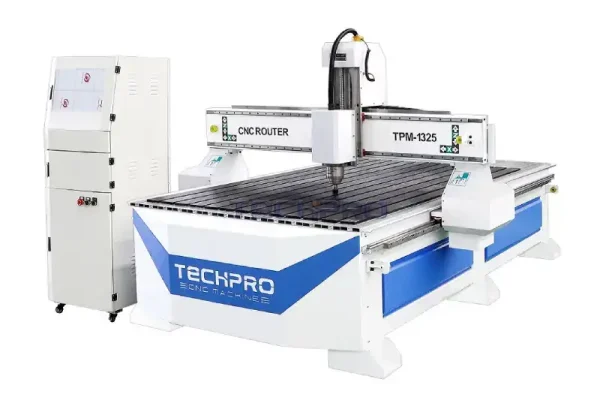
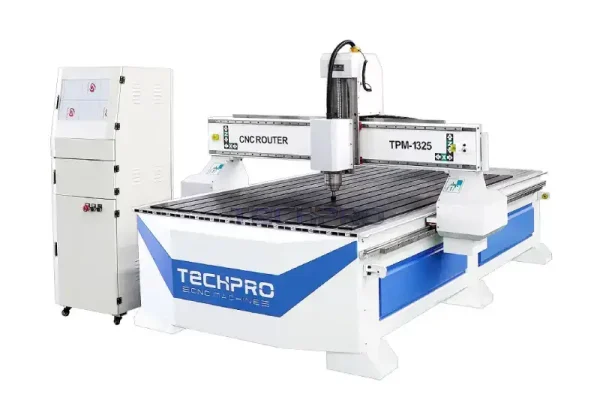
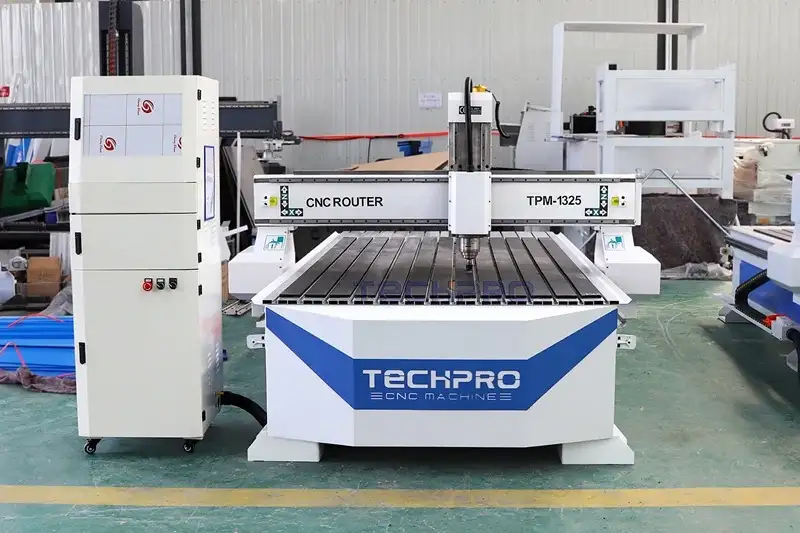
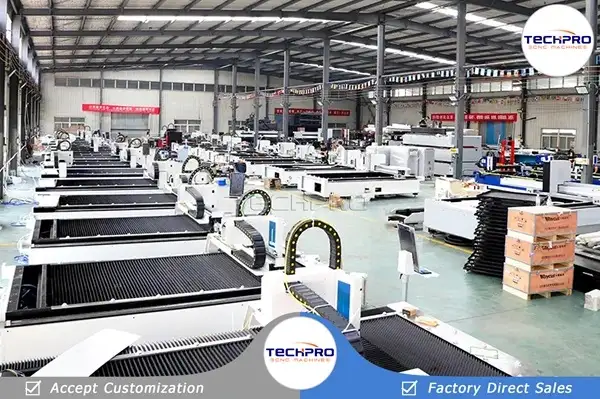
Are you researching Best cnc machine, studying how to DIY CNC machine kits for various materials? Or maybe looking for a trustworthy CNC Machine shop? TechPro is free to provide you with 24/7 free expert 2D/2.5D/3D customer service to meet your budget and needs.
We manufacture and sell CNC machines in styles and types including mini, compact, benchtop, tabletop, desktop, handheld, portable and large format. Widely used in hobby stores, home workshops, small businesses, commercial organizations, educational institutions and industrial manufacturing environments.
Definition and Meaning
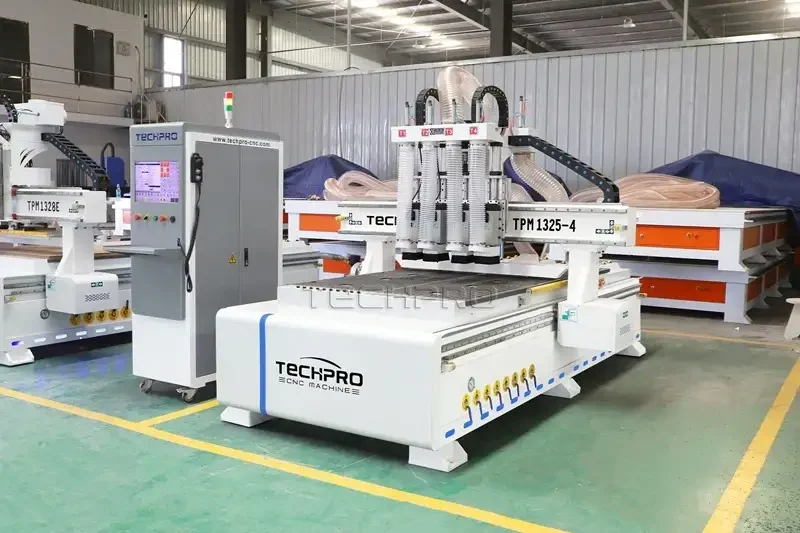
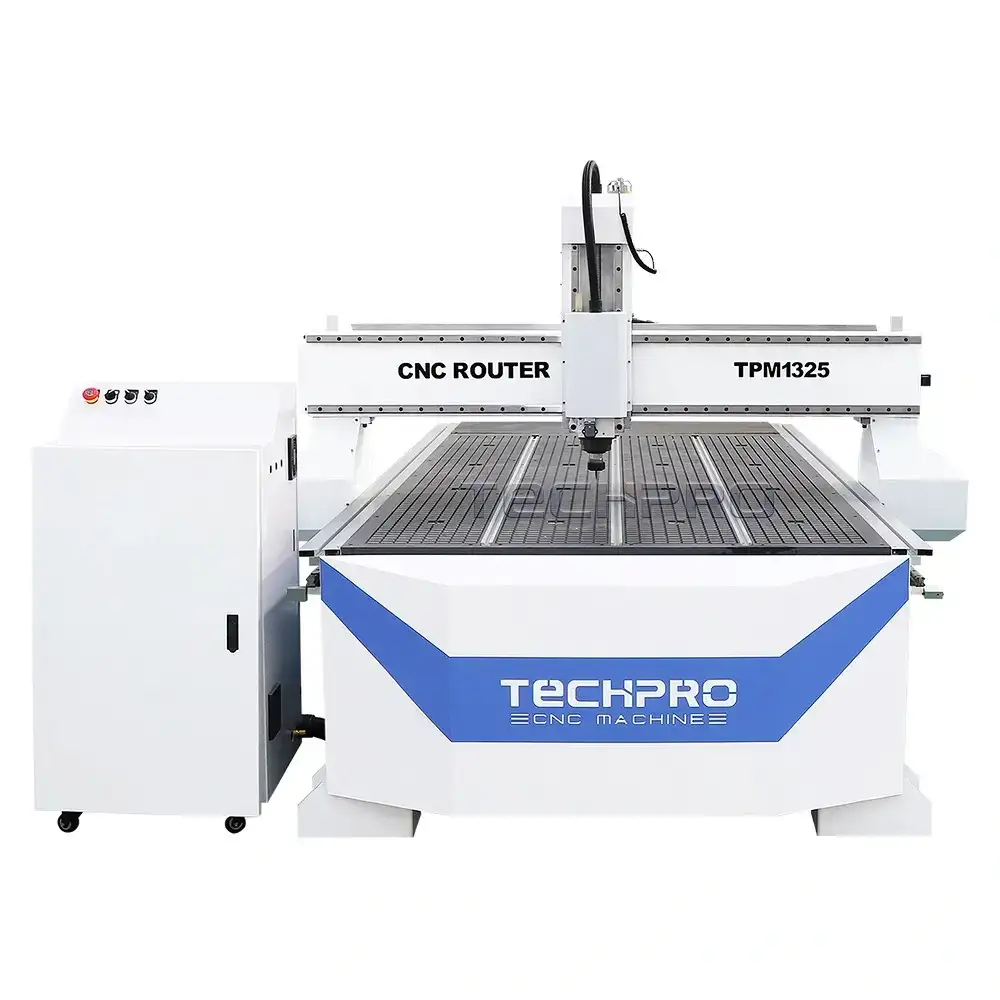
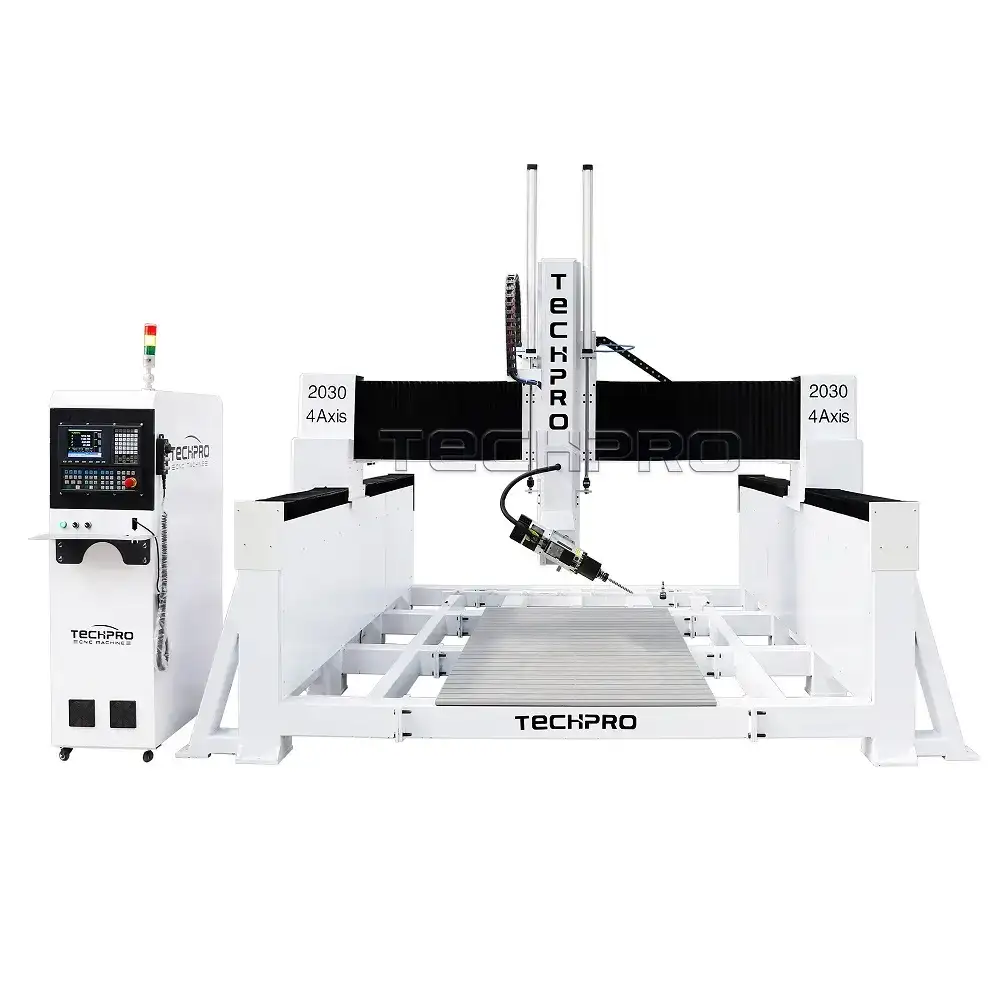
CNC Machine is an automatic computer numerical control cutting machine that consists of a bed, controller, spindle, gantry, operating system, software, motors, drives, T-slot table or vacuum table, ballscrews, guides, power supply, collets, vacuum pumps, limit switches, rack and pinion, drills and other parts and accessories.
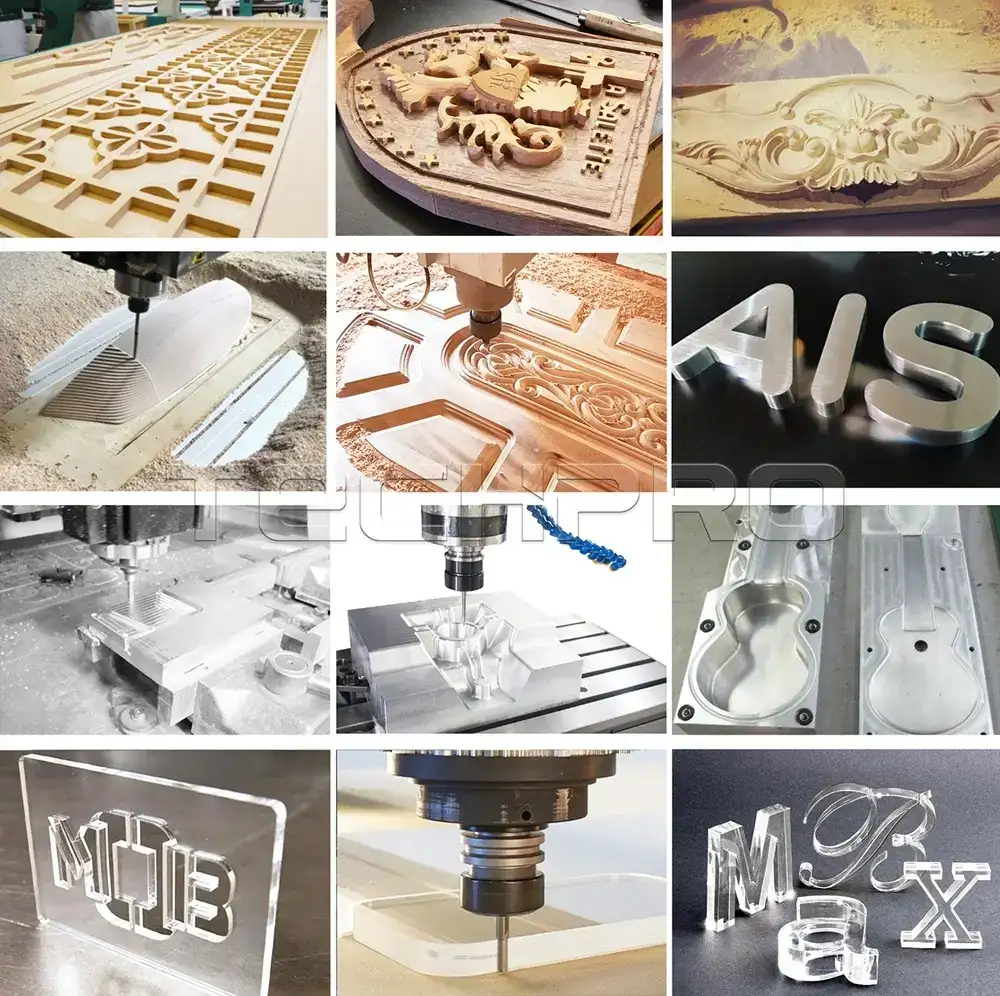
The machine is mainly used for cutting, carving, engraving and shaping various materials. It is capable of working with wood (hardwood, softwood, plywood, MDF, bamboo), metal (aluminum, brass, copper), as well as foam, plastics, acrylics, and even soft metals.
Working Principle
There are three main components involved in how a CNC machine works: the design software (CAD), the control software (CAM), and the machine itself. The following is a step-by-step breakdown:
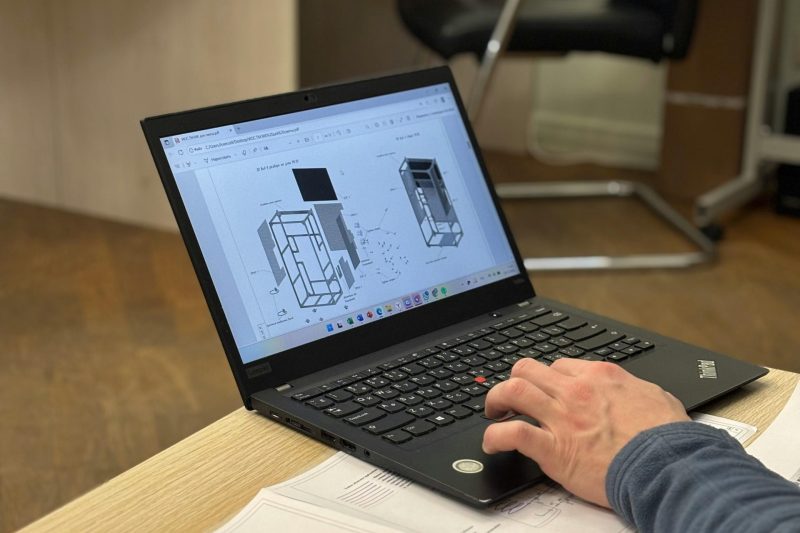
Step 1: Design Creation
A digital design is created using CAD software. This step lets designers see and plan the workpiece in detail.
Step 2: Generate G-code
The CAM software then turns the CAD file into G-code. This language tells the machine exactly what to do.
Step 3: Set up the machine
Before machining, set up the CNC milling machine. This includes securing the material, selecting and installing the cutting tools, and calibrating the machine axes.
Step 4: Run the Program
The G-code is loaded into the CNC milling machine. The machine’s computer interprets the instructions, calculates the movements for each axis, and then begins machining.
Step 5: Automatic Machining
Once the program is done, the CNC milling machine starts machining automatically. The control system sends signals to the motor drives to guide the spindle and tool along the programmed path. Software and hardware work together to make finished products with great consistency and detail.
Types
CNC machines are categorized into different types depending on the axis, table size, end use, and material being machined. They are generally classified by the following:
Axis Types
The most common CNC machines are 3-, 4-, and 5-axis woodworking machines. These machines work with many materials, including wood, metal, stone, and more.
Table Size Types
CNC machine tables come in different sizes. Common table sizes are 2 ft x 3 ft, 2 ft x 4 ft, 4 ft x 4 ft, 4 ft x 6 ft, 4 ft x 8 ft, 5 ft x 10 ft, and 6 ft x 12 ft.
End-Use Types
CNC machines are categorized into two main types based on end use:
Hobby kits for small businesses and home stores. Includes mini, compact, desktop, tabletop, and portable types.
Industrial kits for businesses: for processing wood, stone, metal, foam, plastic, and wood-plastic composites.
Based on Material
CNC machines are also grouped by the materials they can handle.
Wood routers are for woodworking projects like cabinet making, door making, and furniture making.
Stone routers: Used for engraving and cutting stone.
Metal routers are for metalworking.
Foam and Plastic Routers: Specialized for foam manufacturing and plastics processing.
Each type of CNC machine has different parts, like spindles, T-slots, vacuum tables, CNC controllers, motor drives, guide rails, and cutting tools. The best router depends on what you want to make, what materials you need, and how many you want to make. You can contact our experts and we will find the right router for you.
Pricing
The cost of CNC machines can vary greatly depending on size, features, and build quality. Below is a general price range:
- Amateur Grade Benchtop CNC Machine $1,000 – $5,000
- Mid-range Desktop CNC Machine $5,000 – $15,000
- Professional CNC Machine $15,000 – $50,000
- Industrial Large-Scale CNC Machines $50,000 – $200,000+
Amateur Grade Benchtop CNC Machine is the cheapest CNC machine model.
Applications
CNC machines provide precise, automated solutions for a wide range of applications. From woodworking and metalworking to the textile and sign industries, these machines increase productivity and accuracy. Each type of CNC machine (such as routers, panel builders, laser welders and plasma cutters) plays an important role in its own field. The uses of each type of machine in their respective fields are as follows:
CNC Router Machine Applications
CNC Router Machine is mainly used for cutting, engraving, drilling and carving wood, metal, plastic and stone. The machine can create complex designs, logos, letters and patterns on a variety of materials. Specific project applications include cabinet making, door production, sign making, furniture manufacturing and home decoration.
Panel Furniture Machine Applications
A panel furniture machine makes flat-pack and ready-to-assemble furniture. It processes wood panels, MDF, and particleboard for cutting and drilling. These machines make cabinets, wardrobes, bookshelves, and office furniture. They’re essential in the furniture industry for making custom furniture.
Laser Cutting Machine Applications
Laser cutting machines can be used to cut sheet metal, tubes and car parts, and in the electronics industry to cut PCBs and microelectronic components. In the medical field, laser cutting machines are used to produce surgical instruments and implants. They are also used in sign making, jewelry design, textiles, architecture, art, packaging, education and furniture manufacturing to enable complex designs, rapid prototyping and custom creations.
Laser Welding Machine Applications
A laser welding machine joins metal parts. It’s used in cars, electronics, aerospace, medical devices, and jewelry. Laser welding makes strong, lightweight structures and joins small, sensitive components.
Laser Cleaning Machine Applications
Laser cleaning machines remove contaminants, rust, paint, and coatings from surfaces. It’s used in cars, industry, aerospace, art, and electronics. Laser cleaning prepares surfaces for coating or welding and cleans delicate items.
Laser Marking Machine Applications
A laser marking machine marks materials permanently. It’s used for marking products, parts, circuits, medical instruments, and jewelry. Laser marking puts marks on metal, plastic, and glass products.
Channel Letter Bender Applications
A channel letter bender makes three-dimensional letters and shapes for signs. It’s used in the sign-making industry for storefront signs, business logos, and outdoor displays. Channel letter benders make custom shapes out of metal for weather-resistant letters.
Plasma Cutting Machine Applications
Plasma cutting machines cut through metal. It’s used in metal fabrication, shipbuilding, construction, artistic metalwork, and scrap metal recycling. Plasma cutters make custom parts, large metal structures, and decorations with precision and speed.
CNC Knife Cutter Applications
A CNC knife cutter cuts various materials with precision using a blade. It’s applied in the textile industry for fabric cutting, packaging industry for custom boxes, sign making for vinyl cutting, automotive industry for interior components, and craft sector for paper and thin plastic cutting.
Specification
| Specifications | Details |
|---|
| Brand | TechPro |
| Table Sizes | 2′ x 2′, 2′ x 3′, 2′ x 4′, 4′ x 4′, 4′ x 6′, 4′ x 8′, 5′ x 10′, 6′ x 12′ |
| Types | Router, Laser, Mill, Plasma, Lathe |
| Functions | Carving, Engraving, Marking, Cutting, Turning, Drilling, Milling, Grooving |
| Applications | Hobbyists, Small Business, Small Shop, Home Business, Home Shop, School Education, Industrial Manufacturing |
| Materials | Metal, Wood, Foam, Plastic, Fabric, Leather, Acrylic, Glass, Stone, Paper |
| Capability | 2D Machining, 2.5D Machining, 3D Machining |
| Styles | Mini, Small, Benchtop, Tabletop, Desktop, Handheld, Portable, Large Format |
| Price Range | $2,000−$260,000 (Support customized) |
Advantages and Disadvantages
Pros & Cons
CNC machines are electronic devices that seamlessly combine mechanical and electronic technology, offering a range of advantages in terms of precision, efficiency, automation and versatility.
Pros
Precision
CNC machines offer exceptional precision for projects, capable of executing intricate designs with outstanding attention to detail. Human error is minimized, ensuring that every cut and engraving is exactly as intended, thereby guaranteeing the quality of the project.
Versatility
These machines can process a wide range of materials, including wood, plastic, metal and composites. Projects from cabinets and furniture to signage and custom artwork can be produced consistently.
Efficiency
CNC machines streamline the manufacturing process, speeding up production without compromising quality. They can perform multiple jobs with minimal downtime, increasing overall productivity and making them the go-to solution for businesses or individuals looking to produce high volumes.
Customization
With CNC machines, users can easily adjust designs and specifications using CAD/CAM software. TechPro can customize unique products to customer requirements, enabling the pursuit of customized projects.
Safety and security
The automated operation of CNC machines greatly reduces the risk of accidents associated with manual processing. By reducing direct contact between the operator and cutting tools, these machines help to create a safe working environment that meets the requirements for maintaining high workplace safety standards.
Cost-effectiveness
To avoid long-term material waste, reduce labor costs and shorten production time, a CNC machine is the perfect choice for your project. You can get the CNC machine you want at our store at a relatively low price.
Cons
- The cost of purchasing a TechPro CNC machine may pose a barrier to small businesses or individual hobbyists, so careful financial planning is required.
- The TechPro CNC machine requires a high level of technical expertise to operate and maintain, so training may be required to ensure proper use and maintenance (but don’t worry, the TechPro team of experts provides training and a perfect after-sales service).
- Programming complex designs can be time-consuming, especially for those unfamiliar with CAD/CAM systems, which can pose a challenge during the design phase.
User’s Guide
Basic steps to operate CNC machine tools in the workshop
Step 1: Edit & Input File.
First, prepare the design file using CAD/CAM software. Make sure the file is optimized for CNC machining. Transfer the file to the CNC machine tool using a USB flash drive or network connection.
Step 2: Power On.
Turn on the main power and start the CNC machine tool. Verify that all system components (including the control panel and display) are operating properly.
Step 3: Set Reference Points.
Initialize the machine by setting the fiducial for each axis. This establishes a benchmark for accurate tool movement and machining.
Step 4: Load & Verify the Program.
Load the machining program into the CNC. Verify the accuracy and integrity of the program to ensure that all toolpaths and parameters are defined correctly.
Step 5: Edit the program if necessary.
If adjustments are necessary, edit the program through the CNC interface. Ensure that all changes meet the design specifications and machining requirements.
Step 6: Program verification and debugging.
Run the program empty, without material, to ensure that it runs smoothly. This step will identify any potential errors or collisions in the toolpath.
Step 7: Secure Material & Align Tools.
Secure the material to the CNC table. Align the tools to ensure they are in the correct position relative to the material to prevent errors during machining.
Step 8: Start Machining.
Run the program and start machining (use a program stored in memory if continuous machining is required). Monitor the machine closely to make sure it is running as expected. Adjust the feedrate and RPM as necessary to keep the machine running at optimum performance.
Step 9: Safe Shutdown.
When machining is complete, the system shuts down the CNC machine tool. First, the spindle and auxiliary systems are shut down, and then the main power is turned off.
Purchasing Guidelines
This is a complete purchasing guide for CNC machine tools, designed to help you quickly select the right machinery for your needs. Because of the wide variety of machinery available on the market today, and the different brands and manufacturers of machine tools, users can be confused about their options.
Purchases should therefore be made only after careful consideration. The following is a structured guide to help you make an informed decision when purchasing a CNC machine tool.
Step 1: Define your specific requirements
Before starting the purchasing process, clarify your specific requirements. Each CNC machine tool has a specific application range. Making the wrong choice of CNC machine tool may waste resources and lead to invalid results. A large industrial machine tool is not suitable for small handicraft projects, while a compact machine tool may not be sufficient for cabinet making. You can have an in-depth discussion with a TechPro sales representative to clarify your project goals, including the size and type of materials you will use. We will make a detailed solution based on the content of your project.
Step 2: Choose the right type and model
Different tasks require different CNC machines. If you want to make signs, the TechPro Custom Hobby Kit is a good choice. If you want to machine panels or make furniture, you need a wood CNC router and panel furniture machine. If you want to machine metal, consider a laser cutting machine or a plasma cutting machine. If you want to weld metal and join thermoplastics, consider a laser welding machine. If you want to remove contaminants such as rust or paint from the surface of an object, consider a laser cleaning machine. Pay attention to material requirements. Choose a model that matches your business goals and project needs.
Step 3: Request a sample
To ensure that the machine meets your expectations, it is a good idea to have the sales manager design a sample based on your needs. This will allow you to evaluate the performance and efficiency of the machine and get a realistic idea of the quality of the machining and the time required for the project.
Step 4: Sign a formal agreement
Once you have decided to purchase the machine, the purchase should be formalized through a contract. A detailed agreement protects your interests and should include details such as the model specifications, configuration, pricing, delivery schedule and training terms. Adhering to the contract will help avoid misunderstandings with the seller.
Step 5: Supervise delivery and installation
After delivery, the machine should be thoroughly inspected for any damage that may have occurred during transportation. Check that all parts match the packing list and the specifications in the contract. For this, TechPro technicians will assist with on-site installation and inspection of the machine, including hardware assembly and software installation. After installation, a trial run should be carried out to ensure everything is running smoothly, and then the user should settle the balance payment.
Step 6: Get ongoing support and service
If you experience any problems during operation, contact your supplier immediately for service and support. Please describe the problem clearly to avoid complications, as attempting to repair it without the appropriate knowledge may cause more problems and may invalidate your warranty. When it comes to after-sales issues, you can ask your supplier to strictly adhere to the terms of the contract, and if you encounter poor service, you can complain to the person in charge!
Things to consider
This guide will help you buy a new or used CNC machine online. TechPro is designed to help you buy the machine that best suits your project within your budget, not to make a mess of things, because none of us want that.
If you have any further questions about the functions or price of the CNC machine or after-sales issues, please let us know, TechPro’s team of experts are here to help.
If you would like to buy a CNC Machine locally, please contact our sales team and let us check if there is a dealer location near you.
Where to buy a cnc machine?
You can buy CNC Machine from local dealers or online. It depends on your budget, if buying CNC Machine online from, for example, China, then you need to consider the shipping cost. But generally, whether buying new CNC Machine or used CNC Machine, the cost of buying online is lower than buying locally.