EN
EN  TR
TR  FR
FR  DE
DE  VI
VI  IT
IT  NL
NL  AF
AF  KO
KO  ES
ES  PL
PL  ID
ID  JA
JA  RU
RU  HI
HI  DA
DA  FI
FI  TH
TH  ZH-TW
ZH-TW  BG
BG  CS
CS  HE
HE  AR
AR  PT
PT  SV
SV  HU
HU  HR
HR  SK
SK  NB
NB 


The Co2 Nonmetal Laser Cutter is a versatile automatic laser cutting machine designed for engraving and cutting non-metallic materials such as wood, MDF, plywood, chipboard, cardboard, acrylic, fabric, plastic, leather and paper. The machine integrates important components such as a CNC, cutting head and chiller to ensure high quality performance in a variety of applications. Typically using a CO2 laser with a wavelength of 10.6μm (replaceable), the machine excels at rapid prototyping, fine engraving and precision cutting, making it a top choice for industrial manufacturing, educational institutions, small businesses and home studios.TechPro sells CO2 non-metallic laser cutters with laser power ranging from 80W to 300W, and with maximum cutting speeds of 1,400mm/s. The machines are available in a range of sizes and sizes to suit your needs. Prices range from $3,000 to $20,000, ensuring a reliable, fit-for-purpose solution for hobbyists and professionals alike.
The Co2 Metal Laser Cutter is a versatile automated CNC machine that uses lasers to cut a variety of materials such as sheet metal, plate, pipe and tubing. The machine integrates Computer Numerical Control (CNC) technology and CAM software for precise 2D and 3D metal cutting. It is capable of processing a wide range of metals, including stainless steel, mild steel, galvanized steel, carbon steel and iron, as well as non-ferrous metals such as aluminum, copper and brass. It is primarily used in automotive, aerospace, electronics, home appliances and custom metalwork to produce everything from intricate metal artwork and signage to functional components and prototypes. Whether it’s for commercial use or personal projects, contact our sales staff and we’ll develop the best solution for your needs.
The Fiber Laser Cutter is an automated metal cutting machine with a CNC controller, cooling system, and high speed precision cutting of sheet metal, pipes and profiles. The machine is mainly used to create intricate metal parts, labels, artwork and customized decorations. We can offer common laser power options on the market (from 1,000 watts to 60,000 watts, with support for customization) and can handle a wide range of thicknesses and types of metals, including carbon steel, stainless steel, aluminum, and copper. It operates at speeds up to 120 meters per minute, enabling efficient production while maintaining quality. Whether you are a hobbyist, a small workshop or a large industrial operation, we will provide you with the best solution for your specific production needs.

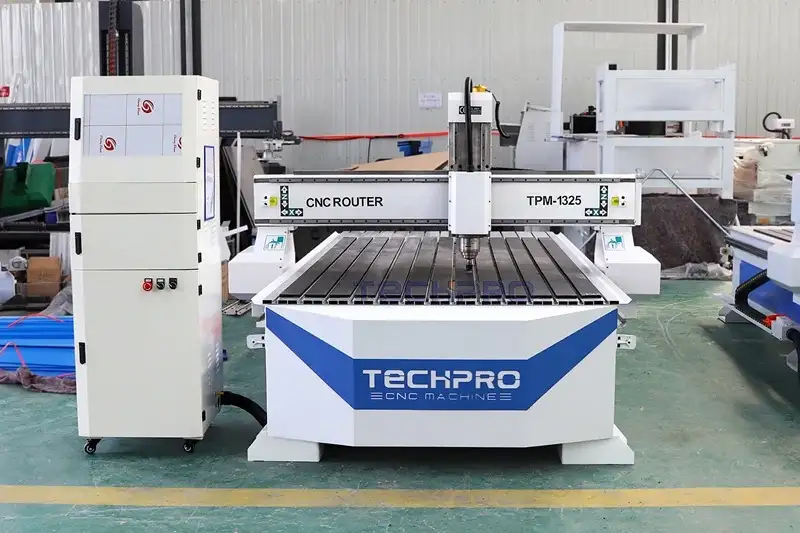
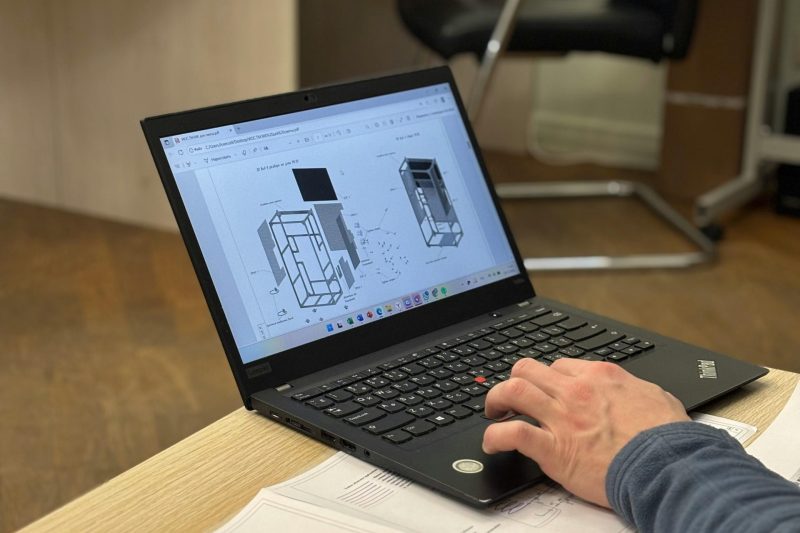
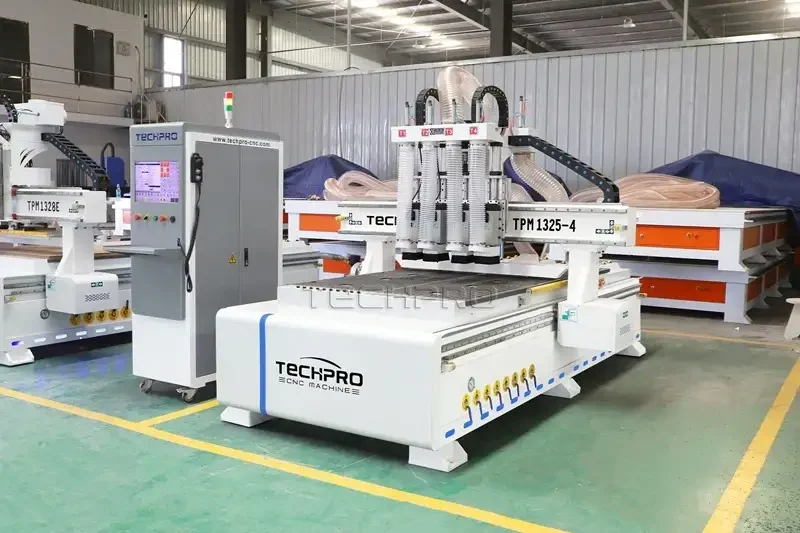
Are you looking for an affordable laser cutting machine? Or are you looking for a high-performance, versatile laser cutting machine? If you’re confused by picking a machine, no problem, you contact us and TechPro provides you with quality options so you can purchase a quality machine at a great price without the hassle. These include fiber laser cutting machines, CO2 laser cutting machines, metal laser cutting machines, non-metal laser cutting machines, and more, and all sizes of workbenches are supported!
A laser cutting machine is an automated cutting machine that integrates Computer Numerical Control (CNC) technology to cut metal, quasi-metal and non-metallic materials with the help of Computer Aided Design (CAD) and Computer Aided Manufacturing (CAM) software using a high-energy laser beam. The machines are capable of accurately cutting custom shapes, contours and holes from plates and profiles, and are widely used in the manufacture of personalized parts, logos, labels, decorative items, artwork, crafts, gifts, jewelry, lamps and puzzles for hobby and industrial-commercial use.
Laser cutting machines work by generating a laser beam through a laser transmitter, which, when focused, generates extremely high temperatures, causing the material being cut to melt or vaporize rapidly, resulting in precise cutting. A laser cutting system consists of a number of components, including the machine base and frame, CNC controller, laser generator, power supply, laser tube, laser head, lenses, mirrors, water chiller, stepper or servo motors, air cylinders, air compressor, air storage tank, air cooling filters, dust collector, dryer and control software.
The advantages of laser cutting machines are their flexibility and efficiency. It can handle a wide range of material thicknesses with virtually unlimited cut shapes compared to traditional manual and mechanical cutting tools. The laser cutting machine is considered the best solution for modular and automated production in modern manufacturing because of its high precision, good cut quality and non-deformation of parts.
The working principle of a laser cutting machine is based on the high energy density and high precision characteristics of a laser beam. A laser beam is a type of light produced by the jumping of atoms, molecules or ions, and its properties are different from those of ordinary light. The laser beam relies on spontaneous radiation in its initial stages, but subsequent processes are completely controlled by the excited radiation, resulting in a laser with extremely high purity, a very small divergence angle and very high coherence.
Laser cutting is a highly automated process that utilizes the high power and dense energy of a focused beam to melt or vaporize a wide variety of materials such as metals, wood, acrylics, plastics, fabrics, leathers, foams, and other materials to achieve precise cuts.
In the CNC system, the laser generator outputs a high-frequency beam to form a beam with a specific frequency and pulse width. The beam passes through the transmission and reflection of the optical path system and is focused by the focusing mirror group to form a tiny high energy density spot on the material surface, which melts or vaporizes the material at an instantaneous high temperature. Each laser pulse creates a small hole in the material. Under the control of a computer numerical control (CNC) system, the cutting head and the material are subjected to continuous relative motion and punching according to the design file, thus cutting the material into the desired shape.
The process parameters (e.g. cutting speed, laser power, auxiliary gas pressure) and movement trajectory during the cutting process are precisely controlled by the CNC system. The auxiliary gas blows away the slag at the cutting kerf at a certain pressure. The laser beam is focused into a high power density beam through the optical circuit system and irradiates the surface of the material to the melting or boiling point, while the high pressure gas coaxial with the beam blows away the molten or vaporized material. As the beam moves relative to the material, the material is eventually cut.
Different laser powers are used to cut materials of different thicknesses. Generally, thicker materials require higher laser power. Users should choose the appropriate laser power and process parameters according to the specific cutting needs to achieve the best cutting results.
Laser cutting systems are used to cut and process materials in many industries. It utilizes a laser as the hardware tool to produce a concentrated beam of light to make fast, neat and precise cuts in a variety of material surfaces, allowing for complex and detailed designs to be achieved to meet a variety of industrial and commercial needs. Below is a list of the main uses of laser cutting:
Laser cutting systems have become an indispensable processing tool in these fields with the high precision, speed and extreme adaptability they offer, occupying a pivotal position in modern industry and manufacturing.
Laser cutting machines are capable of handling a wide range of materials, including metals, non-metals, quasi-metals, and some composites. Depending on the type and power of the laser, cutting results vary from material to material.
Metals
Fiber laser: It is suitable for cutting all kinds of metals, such as carbon steel, stainless steel, mild steel, tool steel, spring steel, galvanized steel, aluminum, copper, gold, silver, alloys, titanium, iron, brass and so on. These materials are widely used in the manufacture of sheet metal, metal tubes, 3D curved metals and irregular metals.
Non-metallic Materials
CO2 lasers: can cut most thin metallic and non-metallic materials, including wood, MDF, plywood, particle board, acrylic, plastic, PMMA, leather, fabric, cardboard, paper, rubber, foam and more.
Composite Materials
CO2 lasers: are also suitable for some composite materials such as carbon fiber, beryllium oxide, polyvinyl chloride (PVC), polytetrafluoroethylene (PTFE/Teflon), phenolic resins or epoxy resins.
Specialty Materials
Glass and ceramics: Although laser cutting of these materials requires special adjustments and controls, high-precision laser cutters can process complex shapes.
In short, laser cutting machines excel in the processing of a wide range of materials, especially where high precision and complex patterns are required, making them an indispensable tool in modern manufacturing.
The price of a laser cutting machine varies depending on a number of factors including brand, model, power and features. Under normal circumstances, laser cutting machines can range in price from a few tens of thousands of dollars to hundreds of thousands of dollars or even more.TechPro Laser Cutting Machine Prices:
When purchasing a laser cutting machine, in addition to the price of the machine, there are other costs to consider, such as installation, training, maintenance, consumables, and after-sales service, which together determine the total cost of your machine purchase, as well as your buying experience. Whether you are a novice hobbyist or a professional manufacturer, contact us to get an optimal solution in the shortest possible time, allowing you to save time and money!
Before you decide to invest in a laser cutting machine, it is important to conduct thorough and in-depth planning and research. The following is a detailed buying guide to help you choose the most suitable equipment within your budget to ensure that it creates maximum value for your business in the long term.
First, analyze your business scale and production needs in depth. Define the following key questions:
Determine the core parameters according to the requirements:
After determining the needs, it is recommended to conduct in-depth research on the market, learn from the experience of peers, and understand the actual performance of different brands and models. Focus on the following aspects:
Select several reasonably priced manufacturers with strong technical strength for preliminary exchanges, including:
If your main processing object is metal plate or pipe, fiber laser is the best choice. Recommended brands include:
If you need to cut non-metallic materials (e.g. wood, acrylic, leather, fabric, etc.), CO₂ glass laser tubes are the ideal choice. Recommended brands include:
Select the appropriate laser power according to the material thickness and cutting needs:
Under the premise of meeting the cutting needs, choose the equipment with moderate power to avoid excessive investment, while reducing energy consumption and maintenance costs.
In procurement, the quality of core components directly affect the performance and life of the equipment:
Select high-quality accessories, such as lenses, air pumps, exhaust systems, etc., to ensure the overall performance of the equipment.
Choose Windows or macOS-based control system to ensure easy operation and friendly interface.
Powerful CAD/CAM software is a necessary tool for efficient production:
Try to choose a high market share, after-sales service system is sound brand, to ensure the quality and stability of equipment.
Do not buy low quality products without after-sales service because of low price, which will cause serious damage to the enterprise’s productivity and reputation.
Choose manufacturers who provide comprehensive after-sales service, which services include:
Note: In the process of use, whether the manufacturer can provide timely technical support is an important consideration in the selection of equipment.
Choose an affordable and excellent performance of the laser cutting machine, not only need to deeply understand their own needs, but also need to conduct a comprehensive study of the market, choose a strong technical strength, perfect after-sales service manufacturers. Through scientific planning and rigorous implementation, you will be able to choose the most suitable equipment for the enterprise, to help the efficient development of business!
When choosing a laser cutting machine suitable for laser cutting, engraving and marking, you always want to find a cost-effective and stable machine that meets your various business needs within your budget. As your preferred partner, we are committed to providing our customers with advanced laser cutting machines, an excellent shopping experience, and professional technical support and service. Regarding the quality of our products and the level of our services, the best criterion for judging comes from the feedback of our real customers. Here are some real reviews and testimonials from our customers that we have collected through surveys for your reference.
CNC Router
Wood Products
CNC Router
Wood Products
From South Korea
From United States
From South Africa
We are a professional CNC machine supplier specializing in CNC router, edge banding machine, side hole drilling machine, laser cuttingmachine, laser welding machines, and laser cleaning machine.