
Are you ready to increase the precision and efficiency of your machining capabilities? CNC Lathe Machines can machine a wide range of materials including aluminum, brass, steel, and plastics, making them ideal for the automotive, aerospace, electronics, and furniture industries. Whether you are a designer, craftsman, or professional in industry, CNC Lathe Machines can meet your business needs, streamline your workflow and increase productivity. TechPro’s product line includes models to meet a wide range of needs, from compact benchtop machines to rugged industrial machines. If you’re stuck on your machine choice, contact our sales staff and our 24/7 customer service team is ready to help you find a solution that meets your needs and helps you save time and money. If you’re stuck on your machine choice, contact our sales staff and our 24/7 customer service team is ready to help you find a solution that meets your needs and helps you save time and money.

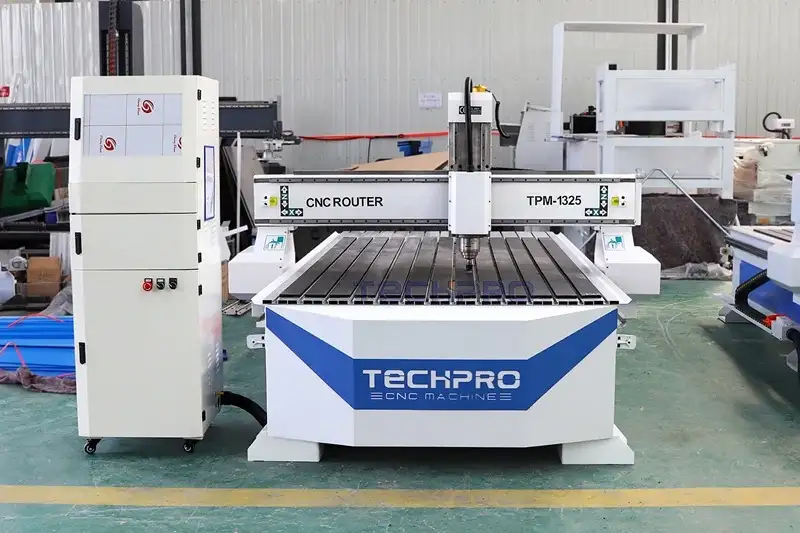
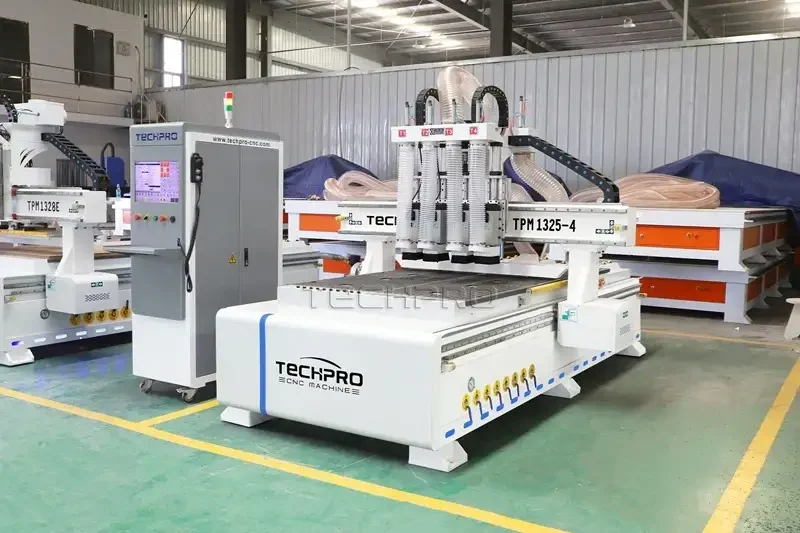
Are you looking for metal working tools? CNC lathe machines can meet your needs, they are mainly used to perform precision turning operations for automatic molding of metal, wood and plastic parts. A CNC lathe consists of a spindle, chuck, turret and tool holder, all controlled by a sophisticated CNC system.
To meet the needs of a variety of customers, TechPro can offer a wide range of CNC lathe models. Our product lineup includes two-, three-, and multi-axis CNC lathes that can machine parts ranging from simple cylindrical shapes to intricate and detailed parts to meet your production needs, regardless of the size of your shop or manufacturing facility.
Our machines can streamline your production process and increase output with features such as bar feeders, real-time tooling and automatic tool changers. Plus, TechPro offers expert advice and support to ensure you choose the best CNC lathe for your specific application.
Explore our CNC Lathe listings to find out how TechPro can use state-of-the-art CNC lathe technology to improve your manufacturing capabilities. If you have any needs or questions, please don’t hesitate to contact us. We would be happy to provide you with a customized consultation and competitive quote based on your specifications.
One type of precision machining tool used to precisely machine rotating workpieces is a CNC lathe machine. It is the perfect tool for machining cylindrical, conical and other rotationally symmetrical parts because it uses a computer numerical control system to precisely manipulate the cutting tool along the axial and radial directions of the workpiece.
CNC lathes are essential in many industries, including general engineering, oil and gas, aerospace, and automotive. They are primarily used to produce components such as shafts, sleeves and washers. From metals such as steel and aluminum to plastics and other hard composites, CNC machines can machine a wide range of materials, ensuring high accuracy and repeatability in high-volume production environments.
By reducing human error, increasing productivity and decreasing human intervention, CNC technology improves product quality and consistency. In addition, modern CNC lathes often feature sophisticated user interfaces, automated tool changers and advanced cooling systems that enhance the machining process and make it easier to create intricate geometries.
The core working principle is that the cutting tool is guided by pre-programmed instructions from the CNC system while the workpiece is fixed on a rotating spindle. This provides versatility for both internal and external machining tasks by enabling a range of machining operations such as turning, facing, threading, drilling and boring.
A CNC lathe machine is a machine tool that is capable of precision machining of cylindrical parts.There are various types of CNC lathe, each of which is suitable for machining different products. The most common types of CNC lathes on the market today include the following:
2-Axis CNC Lathe: A 2-axis CNC lathe is the most basic type of CNC lathe, which has two axes: X (sliding sideways) and Z (along the spindle). It is mainly used for simple turning operations.
Three-axis CNC Lathes: With an additional Y-axis compared to two-axis lathes, these lathes are able to accommodate more complex geometries and eccentric machining. They are more adaptable than 2-axis machines.
Multi-spindle CNC Lathes: The multiple spindles of these machines allow for the simultaneous machining of multiple parts, thus increasing productivity.
Multi-turret CNC Lathes: These lathes are equipped with multiple turrets that allow for simultaneous machining of multiple processes, resulting in shorter cycle times.
Swiss Type CNC Lathe: Swiss Type CNC Lathes Swiss type CNC lathes, also known as Swiss screw machines, are used to produce small, high-precision parts. By supporting the workpiece on the cutting tool, deviations can be reduced.
Vertical Lathe (VTL): These machines are designed for machining large, heavy workpieces with a vertical spindle. They are usually used for machining large diameter parts.
Horizontal CNC Lathes: the most common type, with a horizontal spindle. They are versatile and have a wide range of applications.
CNC Turning Centers: These are advanced CNC lathes that perform multiple operations in a single setup, including turning, milling, drilling and tapping.
CNC Chucking Machines: These lathes are designed to clamp workpieces in a chuck for short workpieces and high volume production.
CNC Bar Stock Machines: These machines are designed for machining bar stock parts and are usually equipped with a bar feeder for high volume automated production.
Live Tool Lathes: These machines have additional tooling features that allow milling, drilling and tapping operations to be performed while the workpiece is held in the lathe.
Each type of CNC lathe has its own advantages and can be selected according to the specific requirements of the machining task (e.g. complexity of the workpiece, throughput and accuracy requirements).
In order to choose the right tool for a particular machining task, it’s important to understand the difference between horizontal and vertical lathes in the world of CNC lathes. Because each type of lathe offers unique advantages and excels in a variety of applications, they are essential in industries such as heavy equipment manufacturing, automotive and aerospace.
Horizontal Lathes
The most popular type of CNC lathe is the horizontal lathe, which is characterized by a horizontal spindle orientation. This arrangement is adaptable and ideal for cutting long, thin workpieces such as bars and shafts. The horizontal arrangement keeps the work area tidy and makes chip removal more efficient. Equipped with a user-friendly interface and automatic tool changer, the horizontal lathe ensures accuracy and consistency of the finished product during high-volume production. Horizontal lathes can process a wide range of materials, including metals and composites, so the machine can meet the needs of different projects with a wider range of applications.
Vertical Lathe
The spindle direction of a vertical lathe is vertical, and large, heavy workpieces are best machined on a vertical lathe, also known as a vertical lathe (VTL). Large diameter workpieces such as wheels and gears can be supported and stabilized by the vertical arrangement. This arrangement helps to control gravity, minimize deviations and ensure accurate machining. Because of their sturdy construction and powerful motors, vertical lathes allow easy loading and unloading of large workpieces and are often used for heavy-duty machining.
When choosing between horizontal and vertical lathes, the specific requirements of the machining task must be considered. Horizontal lathes are highly adaptable and capable of machining a wide range of sizes and shapes, making them the preferred choice for machining smaller, more complex parts with extremely high precision. However, vertical lathes are often used in industries that require the machining of large parts, and their own robust architecture and powerful motors make them ideal for machining large, heavy workpieces.
Ultimately, choosing the best lathe takes into account a variety of variables, such as the weight and size of the workpiece, the complexity of the operation, and the amount of production required. If you’re not sure which type of CNC lathe machine you need to choose, contact our team and we’ll develop the most cost-effective solution for your needs.
Key considerations before purchasing a CNC lathe machine
Before purchasing a CNC lathe, determine your specific machining needs to ensure that you select the most appropriate equipment for your project. Depending on the shape of the product you need to produce, the required accuracy and throughput, choose the type of CNC lathe that best suits your needs.
The choice of material greatly influences the type of CNC lathe you should purchase. CNC lathes excel at processing a wide range of materials, from metals like steel and aluminum to plastics and composites. Different materials require different types of machines for machining; for example, harder materials may require stronger machines with more torque and power, while softer materials may require greater precision and speed. Evaluate the characteristics of the material to be machined, such as hardness, tensile strength and thermal conductivity, to ensure that the lathe can effectively handle the expected workload.
The next step is to consider whether the machine’s specifications and features meet the needs of your project’s machining. Key machine specifications include spindle speed, power, and number of axes, which determine the machine’s ability to perform a variety of operations such as turning, facing, and threading. Also consider features such as automatic tool changers, advanced cooling systems and user-friendly interfaces to increase productivity and ease of use. Machines with real-time tooling capabilities can perform milling, drilling and tapping operations to meet the machining needs of your various projects.
The decision to use a horizontal or vertical lathe depends on the nature of the workpiece you plan to machine. Horizontal lathes are very versatile and ideal for machining thin and long workpieces in a wide range of materials and in high volume production. Vertical lathes, on the other hand, offer stability and high accuracy when machining large diameter workpieces and are suitable for machining heavy, large workpieces. So when making a formal purchase of a CNC lathe machine, consider the weight, size, and complexity of the workpiece to determine which orientation is better for your operation.
Finally, consider the budget and the long-term cost-effectiveness of the CNC lathe machine. While the initial investment is critical, it is also important to consider maintenance costs, tooling costs and potential downtime. A higher initial cost may be justified if it improves product quality, reduces waste and increases efficiency.
In conclusion, before purchasing a CNC lathe, it is important to carefully consider specific machining requirements, materials, machine capabilities, positioning and budget. By thoroughly evaluating these factors, you can select a CNC lathe that will increase productivity, ensure accuracy and meet the requirements of your manufacturing process. If you need further assistance in selecting the right machine, please feel free to contact us and we will work out the best solution for you within your budget.
The following are technical specifications for typical CNC lathe models:
| Item | Units | Specification |
|---|---|---|
| Max. swing diameter over bed | mm | 250 |
| Max. swing diameter over slide | mm | 100 |
| Max. workpiece length | mm | Collet 200 / Chuck 120 |
| Spindle bore | mm | 48 |
| Drawn pipe diameter | mm | 40 |
| Spindle head form | A2-5 | |
| Lathe bed width | mm | 260 |
| X/Z positioning accuracy | mm | 0.01/0.01 |
| X/Z maximum stroke | mm | 260/240 |
| X/Z fast-moving feed | mm/min | 4000/8000 |
| Spindle speed range | r/min | 150-2500 |
| Main motor power | kW | 3 |
| Overall dimensions (LxWxH) | mm | 1600x1000x1550 |
| Net weight | kg | 850 |
| Parameter | Units | Specification |
|---|---|---|
| Tool turret | 2, 3, 4 and more | |
| Tailstock quill diameter | mm | 45 |
| Tailstock quill stroke | mm | 80 |
| Tailstock taper | MT3 | |
| Coolant system | Integrated | |
| Control system | CNC Control | |
| Lubrication system | Automatic | |
| Power supply | V/Hz | 380/50 |
| Noise level | dB | ≤ 75 |
| Operating environment | °C | 5-40 |
With the advancement in technology, some brands have emerged as leaders in the CNC lathe market, offering machines for a wide range of machining needs. Here are some of the top brands known for their performance, reliability and innovation, compiled from our market research.
TechPro
Known for the high precision and versatility of the CNC lathes they sell, TechPro can offer common CNC lathe models on the market, such as the TPJ9013 and TPJ1530, which are compact and powerful enough to accomplish a wide range of turning tasks, making them a good value for money choice. They are compact and powerful enough to perform a wide range of turning tasks. TechPro is backed by a dedicated technical team that is available 24/7 and, importantly, they support customized production.
Haas Automation
A well-known brand in the CNC industry, Haas Automation is known for producing high-quality machines with intuitive operator interfaces. The Haas ST Series is a standout in their product line; the ST-10, ST-20, and ST-30 models are especially popular for their small size and rugged construction, allowing them to machine a variety of small to medium sized parts.
Mazak
Mazak is known for its advanced technology and versatile CNC machines; the Mazak Quick Turn series showcases its precision and speed. For efficient machining of complex geometries, models such as the Quick Turn 250 and Quick Turn 350 incorporate advanced features such as multitasking and smoothing technology.The Mazak Quick Turn series offers a range of CNC lathes with high precision and speed.
DMG Mori
DMG Mori stands for creativity and precise CNC machining. dmg High precision and rigidity make Mori’s NLX series perfect for demanding applications. Modern ergonomics and control systems are features of models such as the NLX 2500 and NLX 3000, which guarantee high-quality output in high-volume production environments.
We will recommend the most suitable stone CNC engraving machine for your specific requirements. Our team will assess your needs and develop the best solution for you.
After understanding your requirements, we will provide you with a detailed quote for the stone CNC milling machine. This will include the most suitable specifications, high quality accessories and a competitive price.
To avoid misunderstandings, both parties will thoroughly review and go over every detail, including technical parameters, specifications and commercial terms before moving forward.
We will send you a Proforma Invoice (PI) and sign the contract with you after you are satisfied with every detail.
We will start manufacturing your stone CNC milling machine as soon as we receive your signed sales contract and deposit. We will provide you with the latest production information at every stage.
The whole production process will be subject to regular inspection and strict quality control. The whole machine will be tested before leaving the factory to ensure the best performance.
After your confirmation, we will arrange delivery according to the terms specified in the contract.
We will provide all the necessary shipping documents for the smooth customs clearance of your stone CNC milling machine.
We provide professional technical support and free service by phone, email, Skype, WhatsApp, online live chat and remote service. In addition, we also provide door-to-door service in some areas to ensure your satisfaction and peace of mind.
Setting up CNC lathe parameters correctly is the only way to ensure accuracy when machining a project, and in doing so, to maximize the best performance of the machine. Below are the detailed steps for setting up a CNC lathe machine that we, as a CNC lathe supplier, have put together:
1. Machine preparation and inspection:
Firstly before project machining, check the CNC lathe for any signs of wear, damage or misalignment. Ensure that all safety devices, such as guards and emergency stops, are working properly. A neat and organized workspace is essential to prevent accidents and improve setup efficiency.
2. Mount the workpiece:
After performing basic checks, select the appropriate chuck and collet for the size and composition of the workpiece. Workpiece mounting onto the spindle then begins, followed by verification of machine alignment and concentricity using precision tools such as micrometers.
3. Alignment and tool selection:
Select your cutting tools according to the size and type of material to be machined. To ensure accuracy and reduce tool wear, calibrate tool offsets on the machine or with a tool presetter.
4. Program loading and verification:
Load the CNC program into the machine using a USB or network connection. Verify the accuracy and completeness of the program and check for potential errors. When the program is loaded correctly, simulate the tool path in the CNC to ensure that the operation can be performed correctly.
5. Establish fiducials:
Using a touch probe or by hand, determine the machine home position and the workpiece datum. Accurate fiducials are required to ensure that machining operations are performed correctly with respect to the workpiece.
6. Optimize parameters:
Adjust coolant levels, feed rates and spindle speeds according to tool and material specifications. Match these variables to the specific requirements of the task to balance surface finish quality, tool life and machining efficiency.
7. Perform the test run:
To confirm that machine movements and tool changes are correct, the CNC program needs to be tested without using any material. The program is then double-checked to ensure that all parts are working as intended, that toolpaths are accurate, and that any problems are resolved before machining begins. If all goes well with the test, then start your batch machining!
Correct maintenance and repair of CNC lathes can extend their service life and ensure their machining accuracy and efficiency. Through daily maintenance, you can minimize machine failures, reduce downtime, lower maintenance costs, and keep the machine producing high-quality parts. Below is a comprehensive CNC lathe maintenance guide based on the structure of the CNC lathe from our technical team.
Inspection and Cleaning:
Before starting machining each day, check the machine tool for obvious signs of wear or damage. If there is damage, the machine parts should be replaced immediately.
Clean the machine surface in time to remove chips, dust or debris that accumulate during operation.
Lubrication:
Check the lubrication system to ensure that it is functioning properly and that all moving parts are adequately lubricated.
Coolant System Check:
Check that there is sufficient coolant and that the coolant system is functioning properly. The coolant system keeps the machine and the workpiece at an optimal temperature and prevents inaccuracies due to overheating.
Alignment and Calibration:
Check the machine’s alignment system. You should make sure that the spindle and tool holder have been properly aligned with each other to ensure machining accuracy. Regular alignment of the machine will improve accuracy and productivity of machining and avoid errors.
Tool Inspection:
Check the cutting tools for wear. If the cutting tool is worn more than necessary, the cutting tool should be replaced in a timely manner to ensure machining accuracy and surface finish of the workpiece
Comprehensive System Check:
Check the mechanical and electronic systems of the machine. Check for unusual noises or vibrations. If there are any, it may indicate a potential problem with the machine. You should seek help from a technician immediately to resolve the problem and prevent further damage to the machine.
Software and Control System Updates:
ensures that the numerical control software is up to date. Manufacturers often release updates that improve the performance and safety of the machine. Regular updates can maintain the efficiency and reliability of the machine.
Environmental Control:
ensures that the operating environment is within the recommended temperature and humidity range. Extreme conditions can affect the performance of the machine and cause premature wear on parts.
Professional Inspection:
arranges for an annual inspection by a professional technician. An in-depth inspection can reveal potential problems that are not detected during routine maintenance.
Replacement of parts
Key parts of the machine should be inspected, such as the spindle bearings, guides, hydraulic system components and lead screws, which are subject to high stress levels during daily operation.
They should be replaced immediately if they have exceeded their service life or show signs of wear. The manufacturer’s technical manuals and instructions (available from our technical team) should be followed when replacing parts to ensure safe and accurate installation. In addition, maintenance records should be kept, including the operator, maintenance time and replaced parts, for future reference and troubleshooting.
Performance Evaluation
Daily performance evaluation of the CNC lathe is essential to ensure its productivity and product quality. First, a comprehensive set of evaluation criteria is established, including but not limited to machining accuracy, surface finish, cutting efficiency and repeat positioning accuracy.
At TechPro, we understand the importance of choosing the right CNC lathe for our customers. Doing so not only improves your productivity and reduces your production costs, but also enhances our reputation, so we are committed to not only delivering exceptional machines, but also providing comprehensive resources and unwavering support to ensure that you get a great CNC lathe machine at a great price.
Expert Consultation
We have a team of technical experts who can assist you in purchasing CNC lathes. We can provide multi-turret lathes, Swiss lathes, horizontal lathes and vertical lathes, and will provide machines tailored to your business goals and production needs.
Comprehensive Training
We offer tailored training programs to optimize your investment. We provide comprehensive training for your team in a variety of key skills, including CNC programming, live tools and automatic tool changers, to ensure they can operate our machines and increase productivity.
Technical Support
TechPro provides ongoing technical support to help you overcome any obstacles you may face. Our dedicated team is available 24/7 to help with software updates, maintenance and troubleshooting to minimise downtime and ensure optimum machine performance.
After Sales Services
To keep your business running smoothly, we offer maintenance packages and a full range of spare parts as part of our robust after-sales service. We proactively anticipate your needs and provide solutions, so you can focus on producing quality products.
Customized Solutions
Every company has unique machining requirements. TechPro is dedicated to creating innovative, customized solutions to meet the unique needs of your application, improving the quality of your output and the efficiency of your operations.
Why Choose TechPro ?
When you choose TechPro, you are partnering with an organization that is committed to excellence. We combine customer-focused service, expert support and cutting-edge technology to ensure you have the resources you need to succeed in a competitive marketplace. When you choose TechPro, you are investing in a partnership that puts your success first.
A CNC lathe is a tool used to machine rotating workpieces. The machine uses computer numerical control (CNC) to manipulate the cutting tool and is ideal for machining cylindrical, conical and other symmetrical parts.
CNC lathes are used in a variety of industries, including general engineering, oil and gas, aerospace and automotive. They are mainly used to produce components such as shafts, sleeves and washers.
TechPro, as a famous CNC Lathe manufacturer and supplier in China, we can provide all kinds of CNC Lathe, including:
We have online store and offline dealers, if you want to buy a cnc lathe or wholesale cnc lathe, please feel free to get in touch with us, we will provide you with good quality and cheap machines.
Horizontal lathes are mainly used for machining long and thin workpieces, while vertical lathes are more suitable for machining large and heavy workpieces due to the vertical spindle direction. Which type to choose depends mainly on the size, weight and complexity of the workpiece you need to process.
The main factors to consider include
Important specifications include
CNC machines and CNC lathes are essential tools in the manufacturing industry, each with different functions. Highly versatile and highly automated, CNC machines are capable of performing a wide range of tasks, such as milling, drilling and engraving, with a high degree of accuracy. The initial setup and writing of programming documentation can require a significant investment of time and expertise, but CNC machines are capable of mass producing identical parts through programming.
Conversely, lathes are primarily used for turning operations, where a workpiece is rotated to facilitate the formation of a cylindrical shape as it is cut by a fixed tool. Conventional lathes are suitable for basic tasks such as producing shafts, bolts and other circular components because they can be operated manually or automatically.
TechPro competes with top brands such as Haas Automation, Mazak, and DMG Mori, which are known for their performance, reliability, and innovation in CNC machining.
The process includes
Setup includes
Maintenance tasks include
TechPro offers
TechPro provides customer-focused service, expert support and cutting-edge technology to ensure you have the resources you need to succeed in a competitive marketplace. Our commitment to excellence and customized solutions makes us a trusted partner in your manufacturing process.
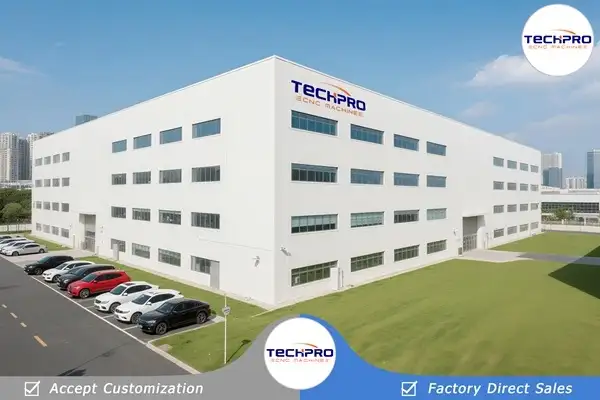
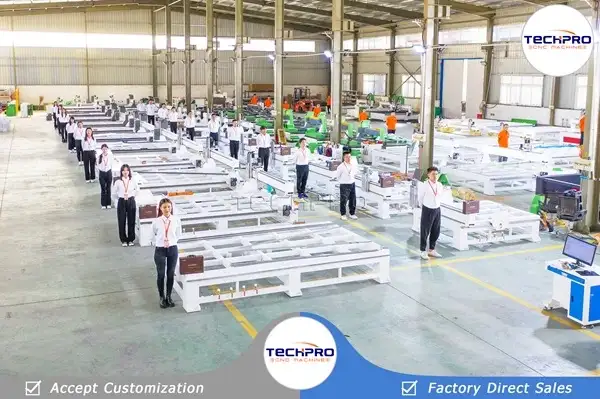
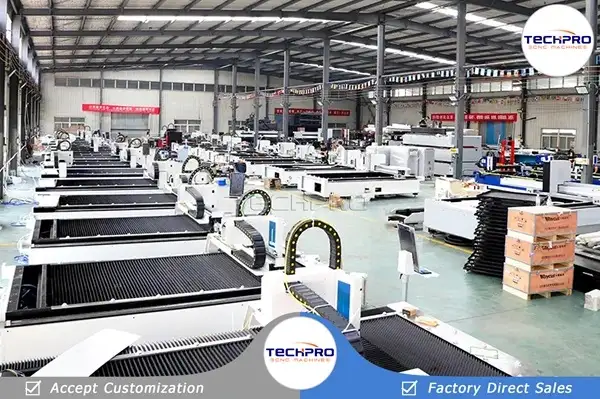
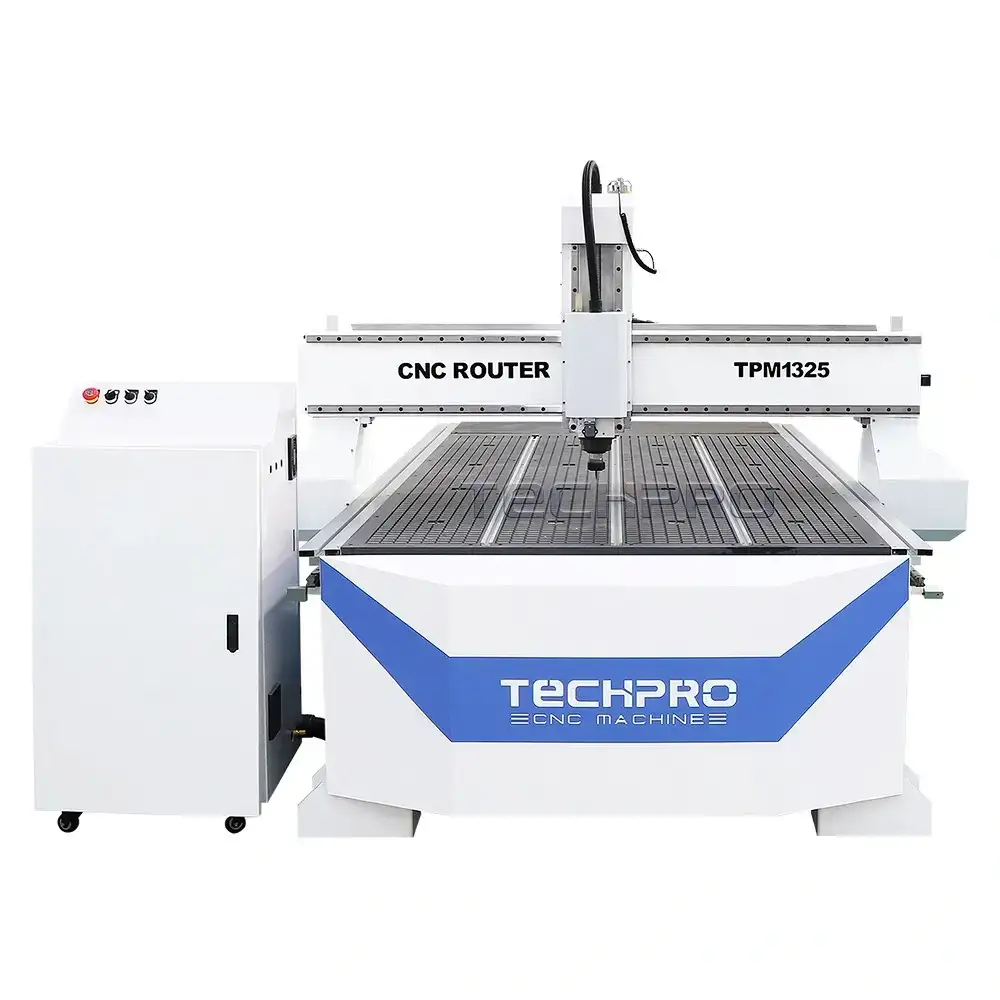
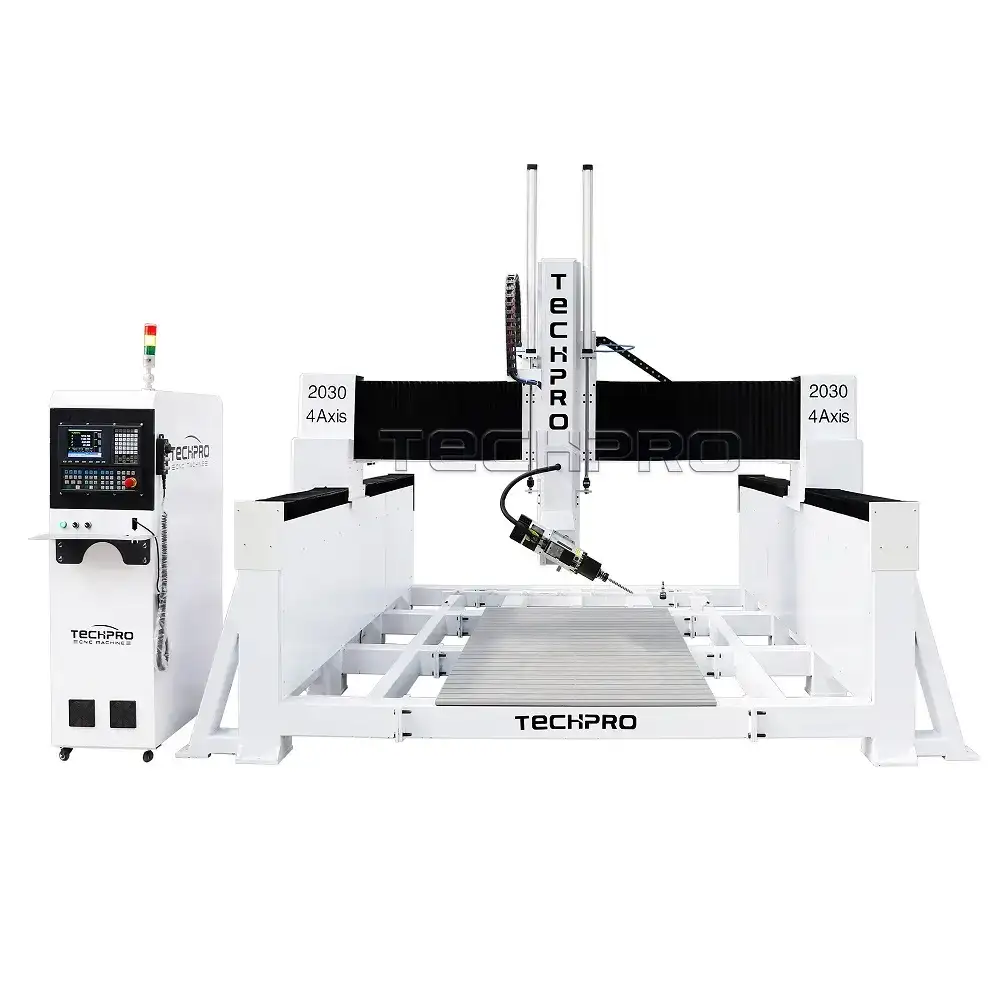
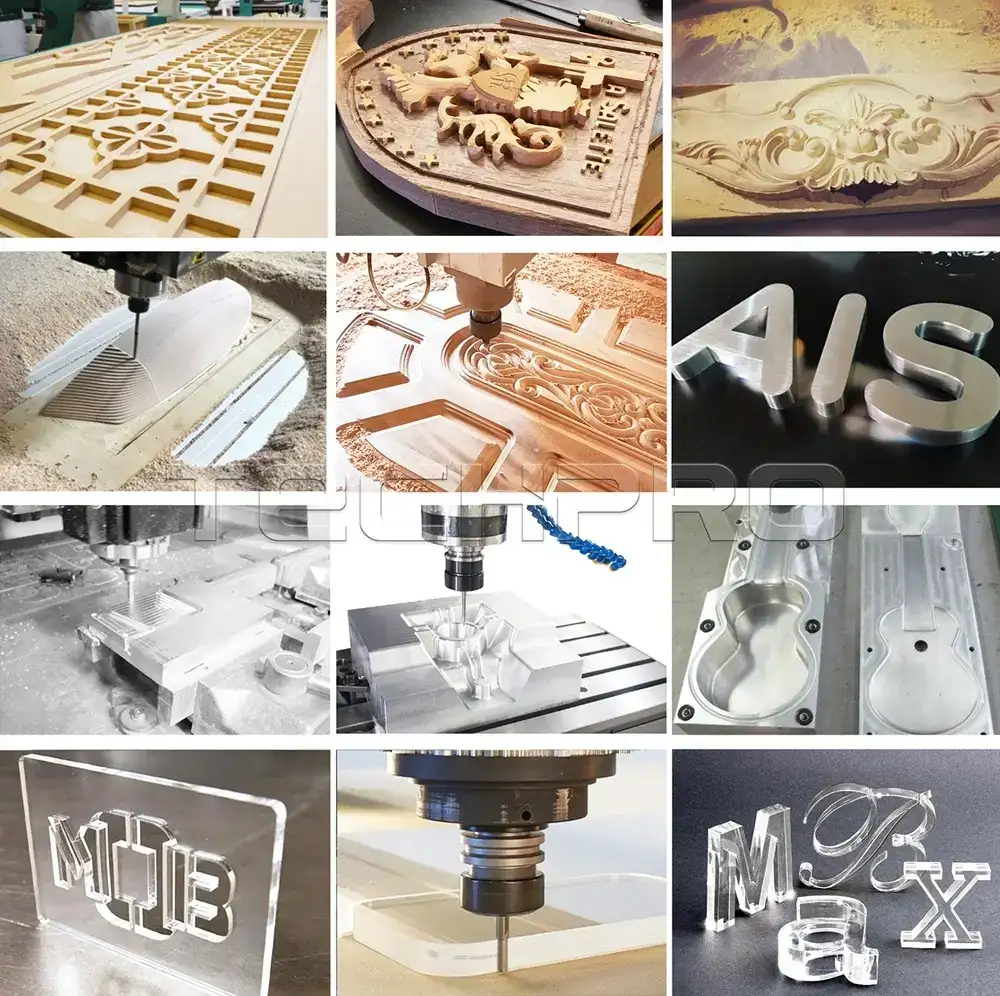
We are a professional CNC machine supplier specializing in CNC router, edge banding machine, side hole drilling machine, laser cuttingmachine, laser welding machines, and laser cleaning machine.


 EN
EN  TR
TR  FR
FR  DE
DE  VI
VI  IT
IT  NL
NL  AF
AF  KO
KO  ES
ES  PL
PL  ID
ID  JA
JA  RU
RU  HI
HI  DA
DA  FI
FI  TH
TH  ZH-TW
ZH-TW  BG
BG  CS
CS  HE
HE  AR
AR  PT
PT  SV
SV  HU
HU  HR
HR  SK
SK  NB
NB