
Want to improve the precision and efficiency of metal processing? Or are you looking for manufacturers and stores that specialize in plasma cutting machines? Maybe you have been watching for a long time, but delayed to purchase? No matter what, fortunately we are here to meet and we will provide you with high quality machines at the lowest price. Plasma cutting machines are used to cut metals such as mild steel, stainless steel, and carbon steel, and are perfect for industries such as automotive manufacturing, shipbuilding, and aerospace. Whether you’re a small business or a large industrial enterprise, tell us what you need and we’ll provide you with a customized solution (for free!) . We currently produce machines directly in the following sizes: 4×4, 4×8, 5×10, and 6×12. If that doesn’t work for your project, contact our sales staff and we’ll customize production to fit within your budget.

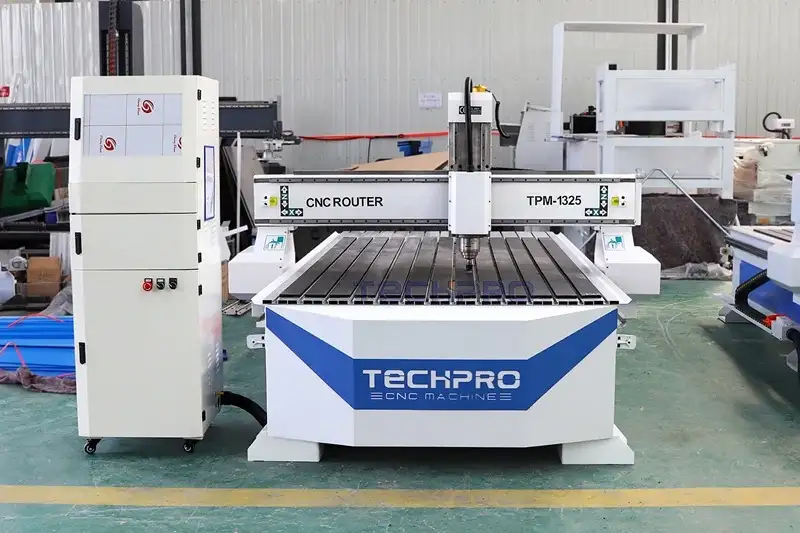
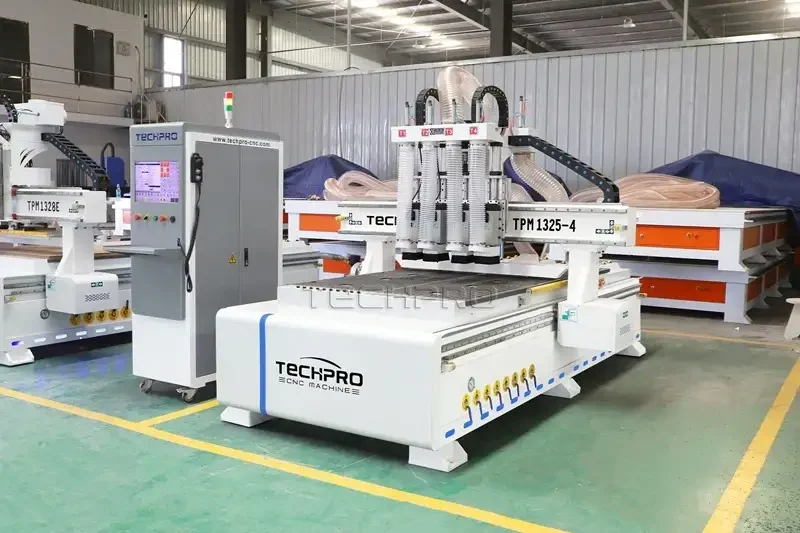
There are many types of machines on the market, which makes it difficult to choose the right one in a short time. This is where TechPro comes in. Our team of experts will evaluate your budget and usage scenarios and provide you with a solution that will meet your needs.
What is the purpose of a CNC plasma cutting machine?
With applications spanning every field, from automotive and aerospace to art installations and metal fabrication, plasma cutters can customize designs on a wide range of materials, including carbon steel, stainless steel, mild steel, iron, aluminum, brass and copper.
It is primarily used for manufacturing machinery, equipment, tools and molds; fabricating and repairing automotive parts such as frames, chassis and exhaust systems; cutting and installing metal roofing, wall and trim materials; cutting and machining hull steel sheets; custom metal signage and decorative pieces; and much more.
A plasma cutter is a high-precision hot metal cutting tool that uses a high-speed jet of ionized gas or plasma to cut conductive materials and is capable of cutting a wide range of conductive metals such as carbon steel, stainless steel, copper, aluminum and cast iron.
The plasma cutter cuts fast, with a narrow cutting seam that minimizes material deformation and reduces the heat-affected zone, and has the advantage of a clean and accurate cut compared to traditional cutters. This makes plasma cutters ideal for sheet metal fabrication, structural metal fabrication, machine building, and a variety of metal cutting projects and programs such as drilling, excavating, chamfering, and patching.
Whether it’s a complex design or a large-scale industrial task, the plasma cutter’s drilling, excavating, chamfering and patching capabilities make it easy to complete the process. Available in a wide range of power levels from 63A to 200A, the machine can handle thicknesses ranging from 0mm to 30mm, ensuring that a wide range of projects are catered for.
CNC plasma table sizes: 4×4, 4×8, 5×10, 6×12 (customizable).
A CNC plasma cutter uses an arc of high-temperature ionizing gas to cut metal precisely and quickly. The cutting process begins with the creation of an electric arc, which is then passed through gases such as oxygen, nitrogen or compressed air, converting it into plasma, a high-energy state that rapidly melts metal, and then a plasma jet blows away the melted material, leaving a clean cut, which completes the entire cutting process.
CNC plasma cutting machines are controlled by a CNC that guides the torch along a programmed path. This path is defined by G-codes, which specify the movement of the X, Y and Z axes for precise cutting and engraving.
Unlike handheld equipment, CNC plasma cutters automate the process, improving cutting accuracy.
CNC plasma cutting machine is mainly used in the metal manufacturing industry for processing metal sheets, it can cut various metal materials, including iron, carbon steel, stainless steel, copper, aluminum, titanium and its alloys. Based on the industry, it is used in the following areas:
Manufacturing: Used to cut and shape metal parts for automobiles, ensuring the accuracy of components such as chassis, body panels and suspension parts.
Machine Tool Manufacturing: It is used to manufacture components for various complex machines.
Component Manufacturing: Used to cut large metal sheets and shipbuilding components with precision machining to ensure strength and accuracy for marine applications.
Manufacturing Centers: For machining the complex and precise components required for aircraft manufacturing, where accuracy and material integrity are critical.
Construction Sites: For cutting metal beams, braces and other structural components required in building construction.
Machine Shops: For the manufacture and repair of mining equipment and machinery, ensuring robust and reliable performance in harsh environments.
Plants: Used to cut and shape metal parts used in power generation facilities, contributing to the infrastructure of electric utilities.
Common plasma cutting machines on the market come in a variety of types and configurations to meet the needs of different cutting tasks. They vary in component layout, power source and cutting method, with each pairing customized for a specific application and setup.
Whether used for hobby or industrial applications, choosing the best plasma cutter for your job involves considering aspects such as portability, accuracy, power supply and specific cutting needs.
Portable Plasma Cutting Machine
Portable plasma cutters are small, portable and easy to use, making them ideal for hobbyists and small jobs. Highly versatile and easy to use, this machine has a high cutting capacity despite its small size, making it ideal for cutting and processing a wide range of materials.
CNC Plasma Cutters
CNC plasma cutting machines come in both small and large sizes. With CNC controls, these machines are most often used for complex, high-precision cutting and sheet metal fabrication.
Power materials can change how well and how efficiently a plasma cutting system works. Huayuan power materials and Hypertherm power products are two common types of power materials. Both are known for their reliability and good cutting performance.
Plasma cutting kits can also be divided into groups based on how they work. These groups include air kits, completely dry kits, semi-dry kits, and underwater kits. Depending on the job, each type has its own advantages that can improve the cut or prevent the product from warping.
Based on cut quality and accuracy, plasma cutting machines are classified as basic, large and laser. This categorization helps users select the ideal machine for their detailing needs, whether it is for rough cutting or highly detailed handling.
Portable CNC Kits: Also known as small plasma cutters, handheld plasma cutters, these machines are small, easy to set up and cost effective. However, their cantilevered frame can limit lateral cut sizes and width safety.
Gantry CNC Kits: These kits have a support system that works in both directions, is very rigid, and has long lateral spans (typically 3 to 10 meters). They are perfect for commercial applications, and there are single and double sided drive modes, each with its own advantages and disadvantages.
CNC Table Kits: These systems are easy to move and have the cutting parts built right into the machine. But the lantern can only move in a small circle and can’t cut through thick material.
Comparative advantages
Plasma cutting is better than thermal cutting methods such as gas cutting and laser cutting when it comes to making things for industry. Gas cutting is also useful, but plasma cutting is more flexible and faster. Laser systems are more expensive than plasma cutters, but plasma cutters are almost as good. That is why many manufacturers choose them.
The cost of a CNC plasma cutter is affected by the power supply, plasma torch, cutting table, motor, drive, computer control system software, frame, guide rails, ball screws and other consumable parts.
For users with a limited budget, entry-level CNC plasma cutters start at around $3,880 and offer basic functionality suitable for small-scale operations; professional-grade machines designed for demanding tasks range in price from $5,800 to $17,800 and offer greater capability and reliability. The average cost of a TechPro exported CNC plasma cutter in 2024 is expected to be around $7,000.
You will benefit from free shipping when buying a CNC plasma cutting machine from a local supplier, but the price will often be higher than the market price. If you want to buy a cheap CNC plasma cutting machine, you should consider buying from an overseas supplier, such as China, where the overall cost will be lower. The final price quote should include the cost of the machine, shipping, taxes and customs clearance fees. If you don’t know how much it will cost to buy a machine, please contact our sales team and we will give you a quote for the minimum cost.
Brand | TechPro |
CNC Controller | Starfire, FireControl, Mach3 CNC Controller |
Table Sizes | 4’x4′, 4’x8′, 5’x10′, 6’x12′ |
Cutting Modes | Plasma Cutting | Flame Cutting |
Power Supply | Huayuan | Hypertherm |
CAM Software | FastCAM, SheetCAM, Autodesk Fusion 360 |
Cutting Table Cleaning | Dust Collector |
Cutting Speed | 0-10000mm/min |
Price Range | $4,280 – $18,000 |
Chinese Huayuan Power Supply
Power Rating and Corresponding Cutting Thickness:
USA Hypertherm Power Supply
Power Rating and Corresponding Cutting Thickness:
Regardless of your level of experience, this guide will walk you through the basic setup of the machine to help you get started.
Setup and Installation:
The first step is to install the software included with your CNC plasma cutter. Make sure all drivers are up to date and installed according to the manufacturer’s instructions.
Follow the operator’s manual when assembling the machine parts. Make sure the machine is stable on its surface and that all connections are secure.
Configuration and Calibration:
Calibrate the machine to ensure accurate cutting. This involves determining the ideal gas flow, power, and speed parameters for cutting the material.
By entering designs or patterns into the CNC software, ensure that they are appropriately scaled to the size of the workpiece.
Non-Contact Cutting
For the plasma arc to cut efficiently without contacting the material, position the torch at an appropriate height above the workpiece, typically between three and five millimeters.
After starting the plasma arc, move the torch smoothly along the cutting path. Keep your speed constant to obtain a clean edge.
Contact Cutting
Contact cutting is an option for thinner materials. Aim the torch nozzle straight at the beginning of the workpiece.
Starting and moving the torch smoothly along the cut line will prevent overheating or uneven cutting.
Get Ready:
Mount the torch on a CNC gantry or cutting table to configure the machine for automatic operation.
Align the workpiece to the design layout after it is firmly loaded on the cutting table.
Implementation:
To make sure everything is working as it should, start the CNC program and watch the first cut.
Adjust speed and power settings as needed to improve cut quality based on real-time observations.
CNC software programs a specific path for intricate or circular patterns. Install any necessary accessories, such as radius bars, to guide the torch precisely.
To maintain accuracy, adjust machine settings to match the complexity of the design, paying particular attention to power and speed.
When cutting is complete, please turn off the machine and allow it to cool. Check that the cut pieces meet the quality requirements.
Always wear protective clothing and make sure the work area is well-ventilated, among other safety precautions.
These instructions will help you get the most out of your CNC plasma cutter for precise and effective cutting in various metalworking applications.
Plasma cutting machines can cut a wide range of thicknesses, from 0.5 mm to 100 mm, depending on the power source and machine configuration. The higher the power, the greater the thickness the machine can cut, and choosing the right configuration will increase the efficiency of your production line in processing sheet metal and metal parts to meet your production needs.
Power and voltage greatly affect the capabilities of a plasma cutter. A stable, robust power supply ensures arc quality and therefore cutting accuracy. Plasma cutters typically operate on open-circuit voltages between 120V and 600V, with the arc voltage at about half the open-circuit voltage, and this voltage range is critical to maintaining a stable arc and achieving optimum cutting speed and quality. In addition, adjusting the gas flow rate and electrode configuration can help fine-tune the arc column voltage to ensure that it remains below 65% of the no-load voltage to prevent instability.
If your plasma cutting machine is malfunctioning, please contact our technicians promptly and we will troubleshoot all possible problems for you in the shortest possible time. The following are common problems and their solutions that we have summarized based on the daily maintenance of plasma cutting machines:
Plasma cutters and plasma welders are two different machines with completely different uses in the metalworking industry. Workpieces can be cut with one and welded with the other. However, they are similar in that they both use ions to affect the surface of the workpiece.
Plasma cutting machine
Known for their speed and efficiency, plasma cutters can easily cut through materials such as carbon steel, stainless steel, copper, aluminum and cast iron. The machine is suitable for tasks requiring complex designs or large-scale industrial cuts, with drilling, digging, chamfering and patching capabilities.
Plasma welding machine
In contrast, plasma welders are designed to seamlessly join metal parts together through a controlled plasma arc. The machine is suitable for applications requiring precise welding, such as jewelry manufacturing, kitchenware production, aerospace, automotive, electronics and shipbuilding.
Plasma Cutting Machine Buying Guide
Buying a CNC plasma cutting machine is a big decision that can improve the efficiency and quality of your work. To ensure you choose the right machine, consider the following key factors.
Cutting Capacity: Evaluate how well the machine can handle the thickness of metal you need to process. Accuracy and cutting speed are critical to maximizing productivity.
Software and usability: Choose a machine with user-friendly software that integrates seamlessly with your existing system. Ease of use is essential to minimize manual intervention and increase efficiency.
Maintenance and support: Consider the long-term cost of maintenance. A lower initial price may result in higher maintenance costs. Choose a manufacturer known for excellent customer support and technical assistance.
Industry Applications: CNC plasma cutting machines are used in a variety of industries, including
Buying Tips:
TechPro is a leader in CNC solutions, offering cutting-edge plasma cutting machines designed for precision and reliability. Our commitment to quality and customer satisfaction ensures that you receive a product that meets the highest industry standards. Choose TechPro as a partner committed to innovation and excellence in CNC technology.
CNC plasma cutters are used to cut conductive metals for the automotive, aerospace, construction and metalworking industries.
A CNC plasma cutter cuts metal through an arc of high-temperature ionized gas. The arc passes through the gas to form a plasma that melts the metal, and a gas stream blows the molten material away to complete the cut.
Plasma cutters can cut conductive metals such as carbon steel, stainless steel, copper, aluminum and cast iron.
There are portable and CNC types of plasma cutting machines, power materials such as Huayuan and Hypertherm, cutting methods such as air, dry, semi-dry, and underwater, and designs such as portable CNC kits, gantry CNC kits, and CNC table kits.
Table sizes are 4’x4′, 4’x8′, 5’x10′, and 6’x12′ and can be customized.
Depending on the specifications and features, prices range from $4,280 to $18,000.
Consider cutting capacity, software availability, maintenance support and industry needs when choosing, and evaluate the machine’s ability to handle metal thickness and production speed.
Install software, assemble the machine, and calibrate for accurate cutting. Follow safety protocols and adjust settings to suit the material and design.
Common problems include low air pressure, high air pressure, improperly installed consumables, low AC voltage and poor grounding. Regular maintenance and proper setup can prevent problems.
Electrodes and nozzles wear out and should be replaced regularly to maintain performance.
Plasma cutting is used to cut materials and plasma welding is used to join materials, both use ionized gas but for different purposes.
TechPro offers CNC plasma cutting machines with a focus on accuracy, reliability and customer satisfaction. Machines come with software and hardware to ensure performance and low maintenance.
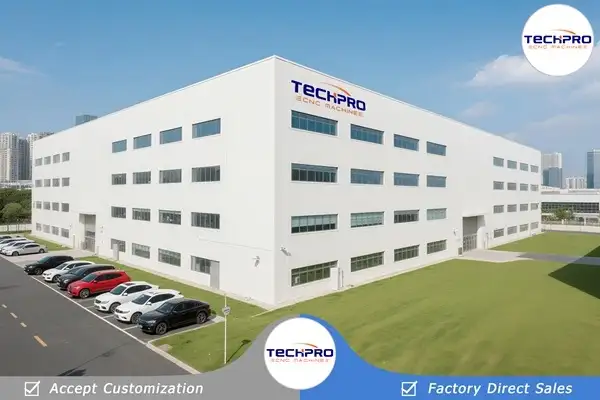
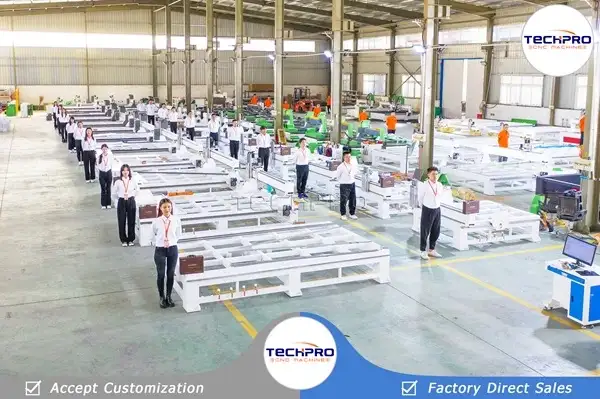
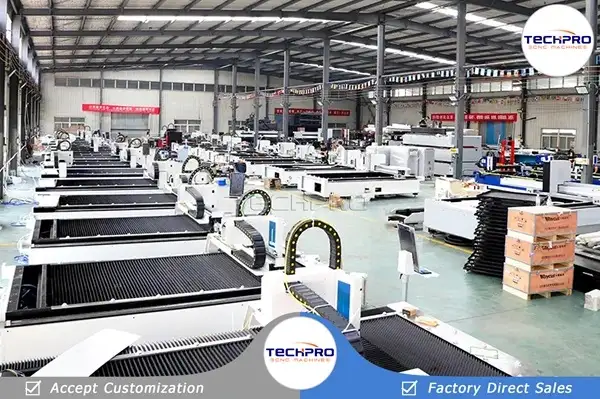
We are a professional CNC machine supplier specializing in CNC router, edge banding machine, side hole drilling machine, laser cuttingmachine, laser welding machines, and laser cleaning machine.


 EN
EN  TR
TR  FR
FR  DE
DE  VI
VI  IT
IT  NL
NL  AF
AF  KO
KO  ES
ES  PL
PL  ID
ID  JA
JA  RU
RU  HI
HI  DA
DA  FI
FI  TH
TH  ZH-TW
ZH-TW  BG
BG  CS
CS  HE
HE  AR
AR  PT
PT  SV
SV  HU
HU  HR
HR  SK
SK  NB
NB