
The Laser Welding Machine is a cutting-edge tool used to seamlessly weld metal parts with minimal environmental impact compared to traditional welding machines. The machine is used in jewelry manufacturing, kitchenware production, aerospace, automotive, electronics, commercial enterprises and shipbuilding. It is capable of spot, butt, lap, and T-butt welding, so it can handle complex, dense, and heat-sensitive parts. As a professional Laser Welding Machine manufacturer and supplier, our offerings include entry-level handheld laser welding equipment, industrial-grade laser welding equipment, and advanced 3D laser welding robots. With power ratings ranging from 1000W, 2000W and 3000W, we can meet the needs of machinists, operators, DIY enthusiasts, craftsmen, hobbyists, small business owners, commercial enterprises and industrial manufacturers. If one of these machines does not meet your needs due to type or price, please contact our sales team and we will customize it to fit your budget and needs.

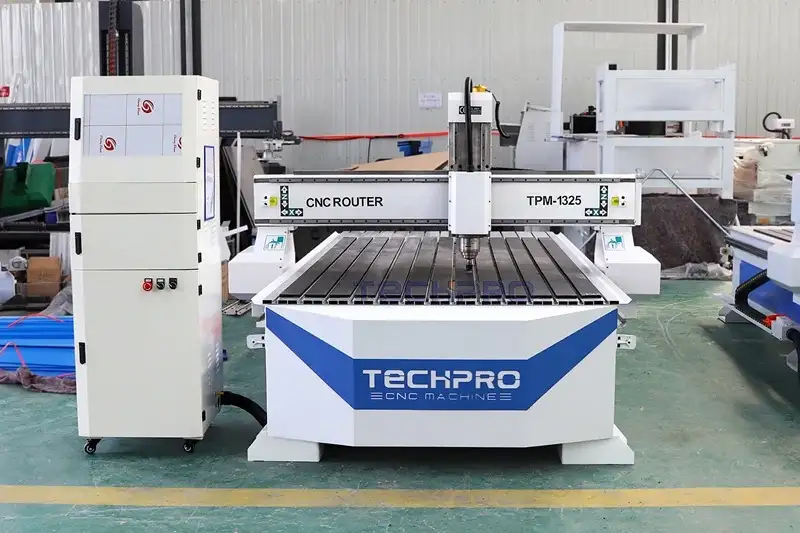
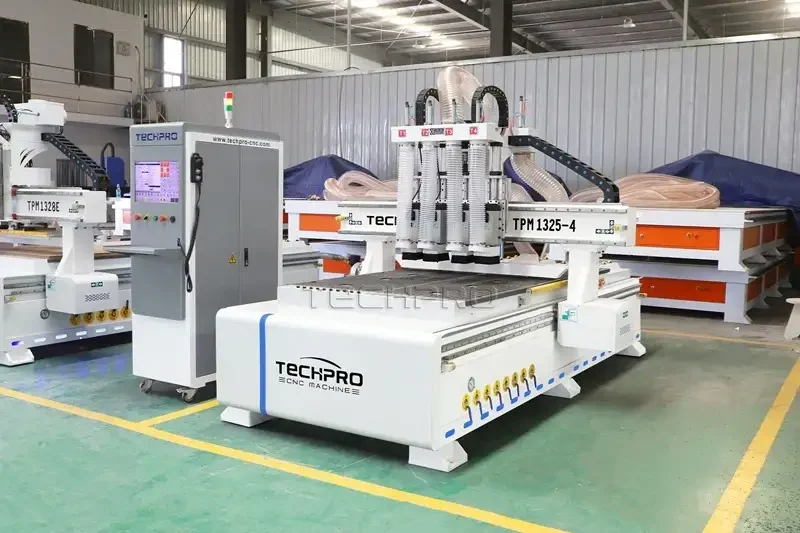
Whether you are a hobbyist or a business owner, only by choosing a laser welding machine that suits you can you save your valuable time. But in today’s market, it is not easy to pick something you want! Don’t worry, TechPro has done extensive user research and we are a professional laser welding machine manufacturer from China. Our team of experts will provide you with a practical and cost-effective CNC solution in the shortest possible time and free of charge.
A laser welding machine is a high-precision, high-efficiency industrial tool used primarily to join steel products and thermoplastics. It uses a focused, high-energy laser beam as a heat source to thaw and fuse products through rapid cooling and heating, forming a solid, accurate weld in the joint. Compared to conventional welding processes, the laser welding innovation is highly regarded for its outstanding precision and excellent efficiency, especially in complicated frameworks or hard-to-reach locations.
The key advantage of laser welding equipment is its ability to produce deep, narrow welds without damaging the work surface. These machines are not only ideal for welding ultra-thin materials, but also for high-strength welds on thick plates. They are an essential tool for modern manufacturing to increase the quality and efficiency of production.
High precision: Laser welding machines can achieve precise welding at the micron level, making them especially suitable for industries with high requirements for welding quality, such as aerospace, automotive manufacturing and the electronics industry.
High efficiency: Laser welding is significantly faster than traditional welding processes, greatly improving production efficiency and shortening manufacturing cycles.
Minimum heat-affected zone (HAZ): Laser welding has a very small heat input, effectively reducing thermal deformation of the material and maintaining the appearance and high quality of the product surface.
High compatibility: the laser welding machine supports welding of a variety of materials, including stainless steel, aluminum alloys, titanium alloys, and even able to weld dissimilar materials, which can meet different industrial needs.
Automation adaptability: laser welding machines can be easily integrated into automated production lines and used in conjunction with CNC systems, significantly improving the efficiency and stability of automated production.
Laser welding machines can be classified according to their technological features, layout and application scenarios. The following is a detailed introduction to each type of laser welding machine, including its features and applications.
Overview: Portable laser welding machines are portable, lightweight and easy to use, and are designed for small and medium welding jobs that require a high degree of flexibility.
Application fields:
Overview: Equipped with sophisticated automation system, the automated laser welding machine can significantly increase the productivity and consistency, which is one of the core equipment for commercial manufacturing.
Application areas:
Overview: Robot laser welding machine integrated with robotic arm innovation, made for large-scale, extremely repetitive industrial manufacturing jobs, can greatly increase the degree of automation of the production line.
Application areas:
Overview: this type of laser welding machine adopts carbon dioxide gas laser, especially suitable for welding non-metal and some metal materials.
Application areas:
Overview: YAG laser welding machine adopts crystal laser technology, specializing in welding of small parts and high precision materials, widely used in industries requiring high thermal deformation.
Application areas:
Overview: Fiber laser welding machine is currently the most sophisticated and reliable welding equipment, sending laser light through optical fiber with high power and performance, suitable for high-intensity commercial tasks.
Application areas:
Overview: Hybrid laser welding machines combine laser welding with other welding processes (such as arc welding), combining the advantages of high penetration and welding speed, making them the best choice for efficiently welding thick metal plates.
Application areas:
The core operating principle of a laser welding machine is to use a concentrated high-energy laser beam of light to melt and fuse materials at the molecular level to produce a strong weld. As a supplier of laser welding equipment, we recognize the value of every technological detail to improve our customers’ processes. The following is a comprehensive outline of how a laser welding machine works:
Laser Source
The heart of the laser welding machine is the laser source, which generates the high-energy laser beam. Common types of laser sources include solid-state lasers (e.g. YAG lasers), fiber lasers and CO₂ lasers.
Laser Beam Transmission
The laser beam is transmitted to the weld site through a collection of high-precision optical parts (such as lenses, mirrors, or optical fibers).
Absorption and Heating of Laser Energy
When the laser beam hits the material surface, the material absorbs the laser energy and rapidly heats up.
Fusion and Solidification of the Material
As the laser beam moves along the weld, the liquefied weld pool moves with it and solidifies rapidly after cooling.
Control System
Laser welders are equipped with an innovative control system that adapts the welding criteria to different processes.
Protective Measures
To ensure welding quality and prevent oxidation or contamination, a protective gas (such as argon, helium or nitrogen) is usually introduced during the welding process.
Laser welding machines offer unique benefits in terms of precision, efficiency and low heat input, and are suitable for a wide range of industries, from automotive and aerospace to electronics and jewelry processing. Although the initial investment is relatively high, laser welding machines can bring significant long-term value to customers by reducing subsequent processing costs, improving production efficiency and ensuring welding quality.
As a manufacturer and supplier, we are committed to providing our customers with high-performance laser welding machines and high-quality after-sales service to meet your detailed needs. If you need more information about laser welding technology or professional support, please feel free to call us!
In markets such as steel manufacturing, jewelry processing, and automobile repair service, selecting a laser welding machine that meets premium quality requirements while also being cost-effective is key to achieving business goals. As a supplier and seller of laser welding equipment, we are constantly focused on providing customers with professional laser welding machines and detailed technological support and solutions to help your business do well. We are confident in the quality of our equipment and service, but what really reflects our value is customer recognition and feedback. Customer reviews collected through objective surveys fully demonstrate the reliability, accuracy and efficiency of our products in practical applications. These are powerful testimonials that have earned the trust of our customers and created value for them.
CNC Router
Wood Products
CNC Router
Wood Products
From South Korea
I have been using the TechPro laser welding machine for three months now, and it has completely changed my experience of small metal processing. I mainly use it to weld stainless steel and aluminum, and I am really amazed by its precision and speed. The 200W power is more than enough for my daily needs, and the joints I weld are smooth and tidy, with minimal thermal deformation. The touchscreen interface is also very user-friendly, and it is particularly convenient and quick to adjust the settings, so I have easily mastered the machine settings. My personal favorite is the built-in water cooling system, which keeps the machine running cool and stable even during long periods of continuous operation.
From United States
The TechPro handheld laser welder is definitely the most versatile device I have ever used. It is lightweight and portable, which is especially suitable for on-site maintenance or installation work. The adjustable power settings are very flexible, and it can easily handle thin metal sheets and thick steel beams. The handheld laser welding torch is easy to use, the welding process is stable, and there is almost no spatter, which makes cleaning up much easier. In addition, the safety interlock device also makes me feel more at ease and can effectively prevent accidental startup. However, for novices, this machine may take some time to get used to. It took me a few weeks to figure out how to adjust the settings to the optimal settings for different metals.
From South Africa
After upgrading to the STJ-1000W laser welder, I have to say that this device has directly improved the welding efficiency of my auto repair shop. The high power of 1000W is very suitable for welding heavy materials such as carbon steel and even titanium, which is very useful when I need to use it occasionally. Its advanced cooling system also performs reliably and will not overheat even during prolonged high-load operation. What impressed me most was the ergonomic design of the welding torch, which is very comfortable to hold and won’t tire you out even after long periods of work. Coupled with the swivel nozzle design, it is really convenient for dealing with those hard-to-weld angles. However, the weight of this machine is indeed on the heavy side, which makes it less convenient to carry around and more suitable for fixed installation.
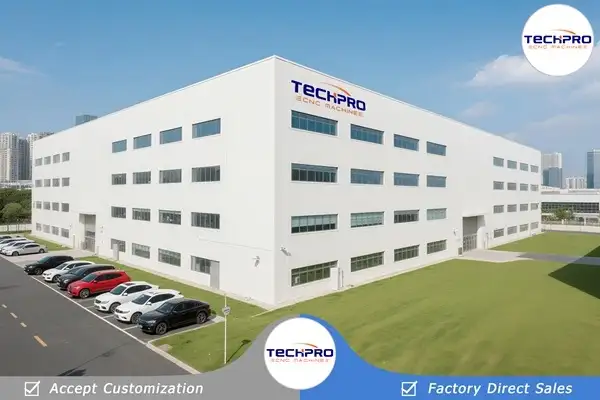
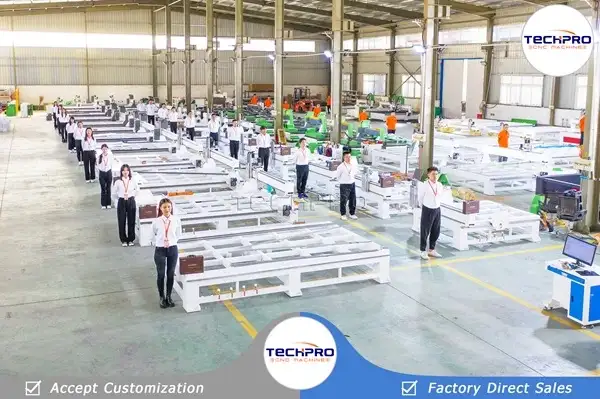
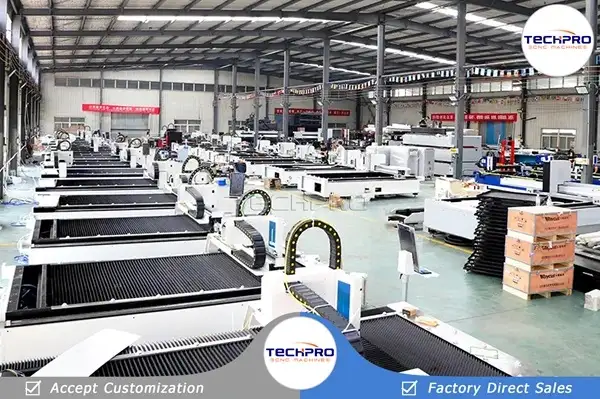
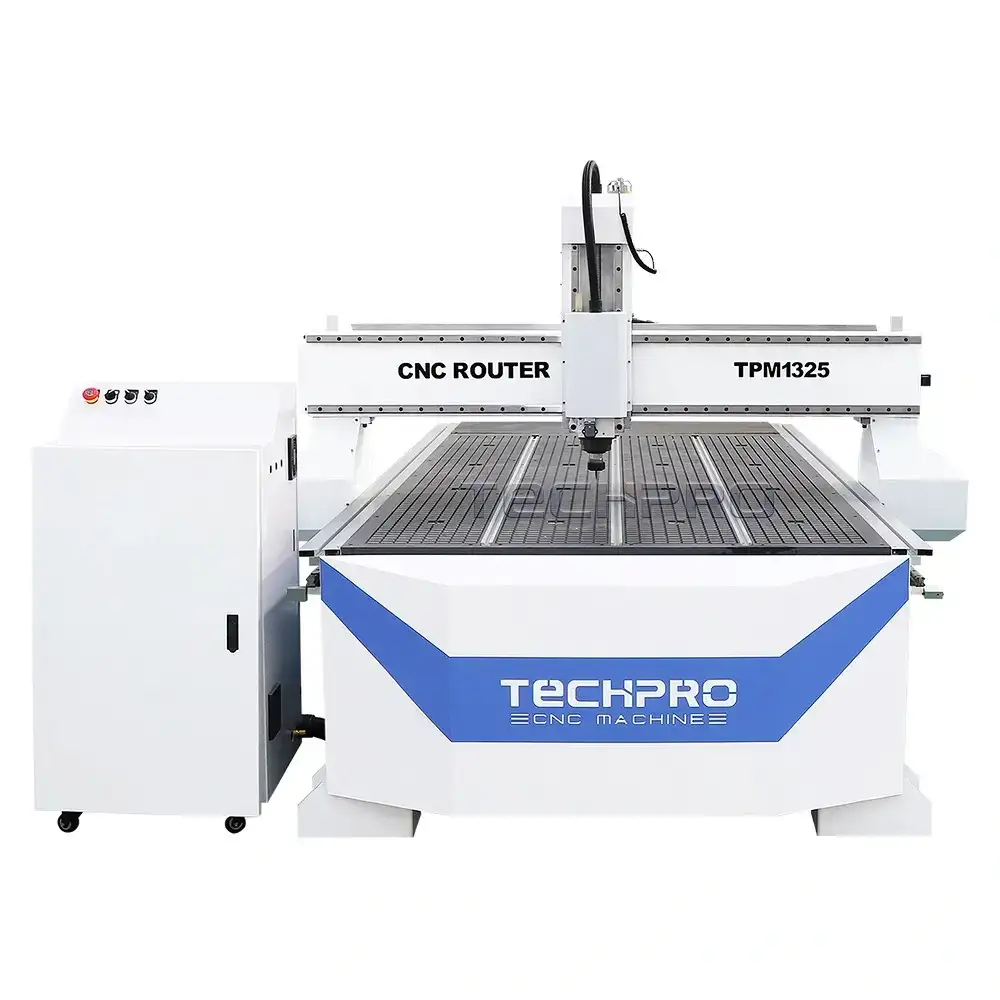
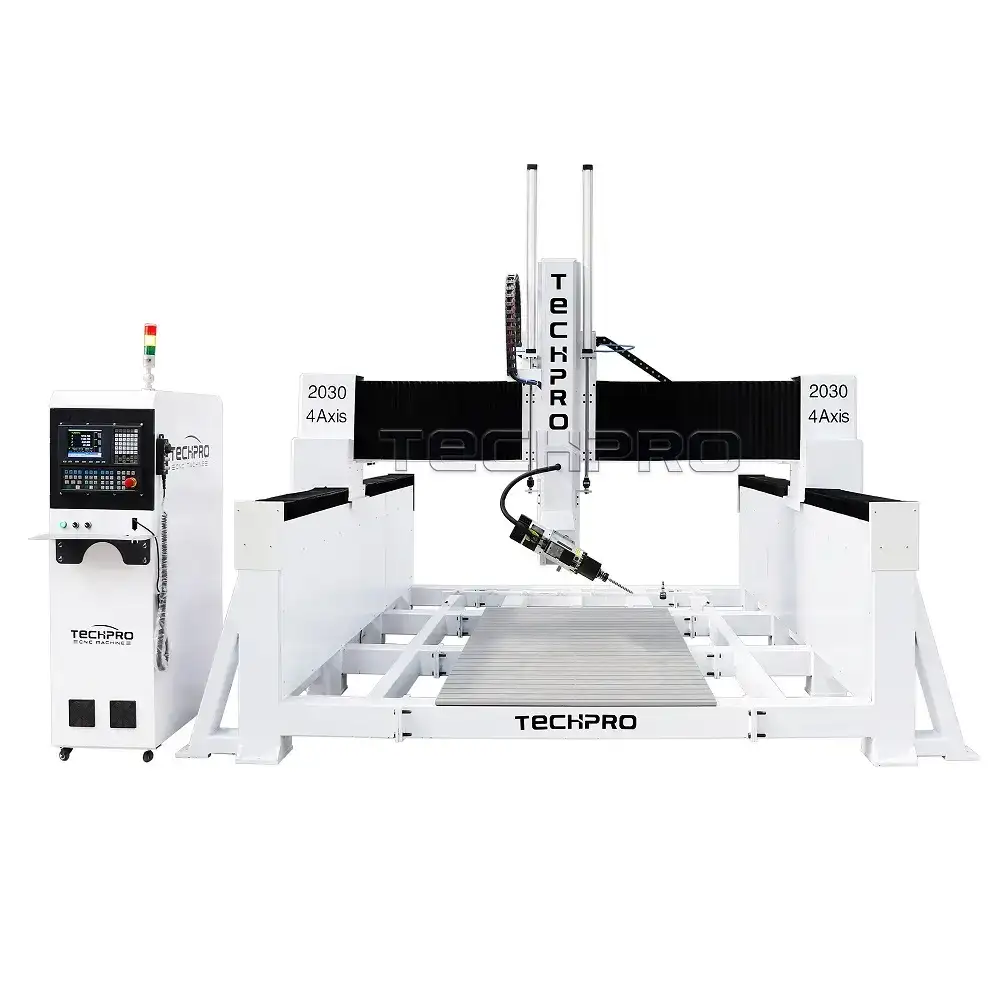
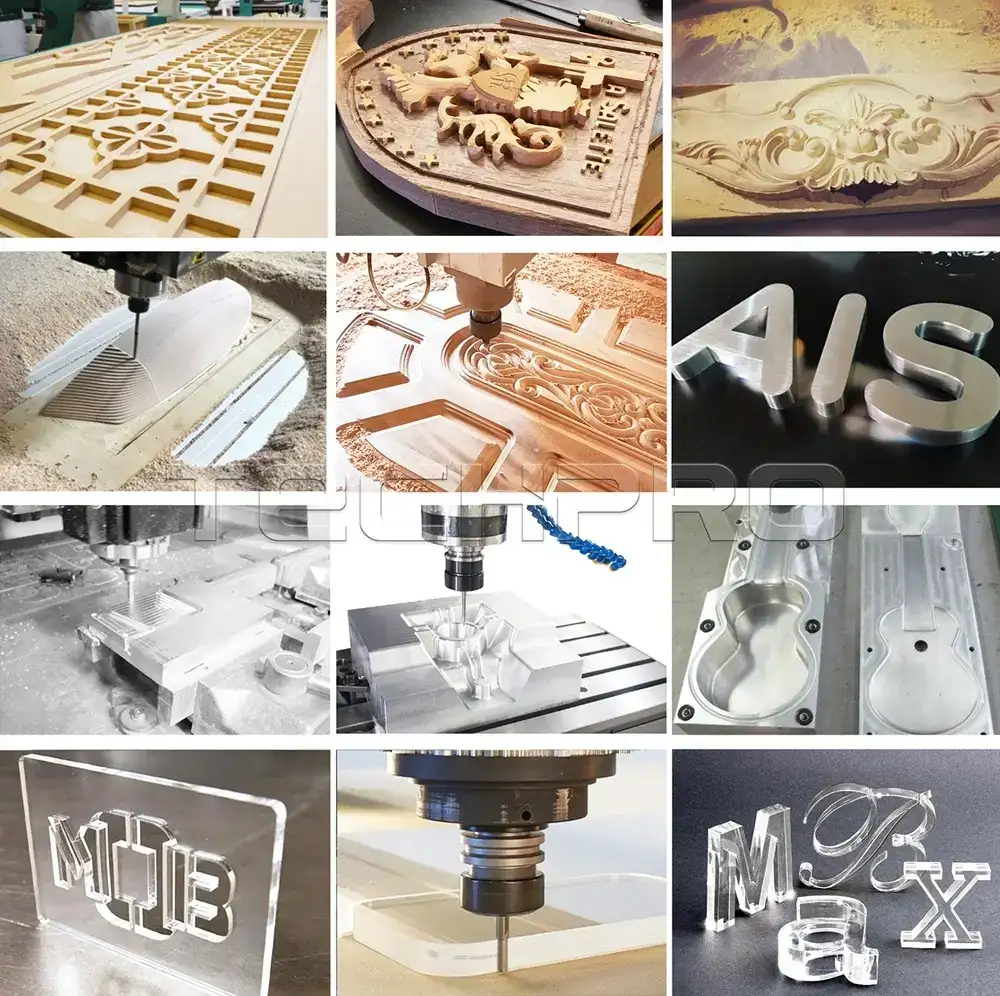
We are a professional CNC machine supplier specializing in CNC router, edge banding machine, side hole drilling machine, laser cuttingmachine, laser welding machines, and laser cleaning machine.

 EN
EN  TR
TR  FR
FR  DE
DE  VI
VI  IT
IT  NL
NL  AF
AF  KO
KO  ES
ES  PL
PL  ID
ID  JA
JA  RU
RU  HI
HI  DA
DA  FI
FI  TH
TH  ZH-TW
ZH-TW  BG
BG  CS
CS  HE
HE  AR
AR  PT
PT  SV
SV  HU
HU  HR
HR  SK
SK  NB
NB