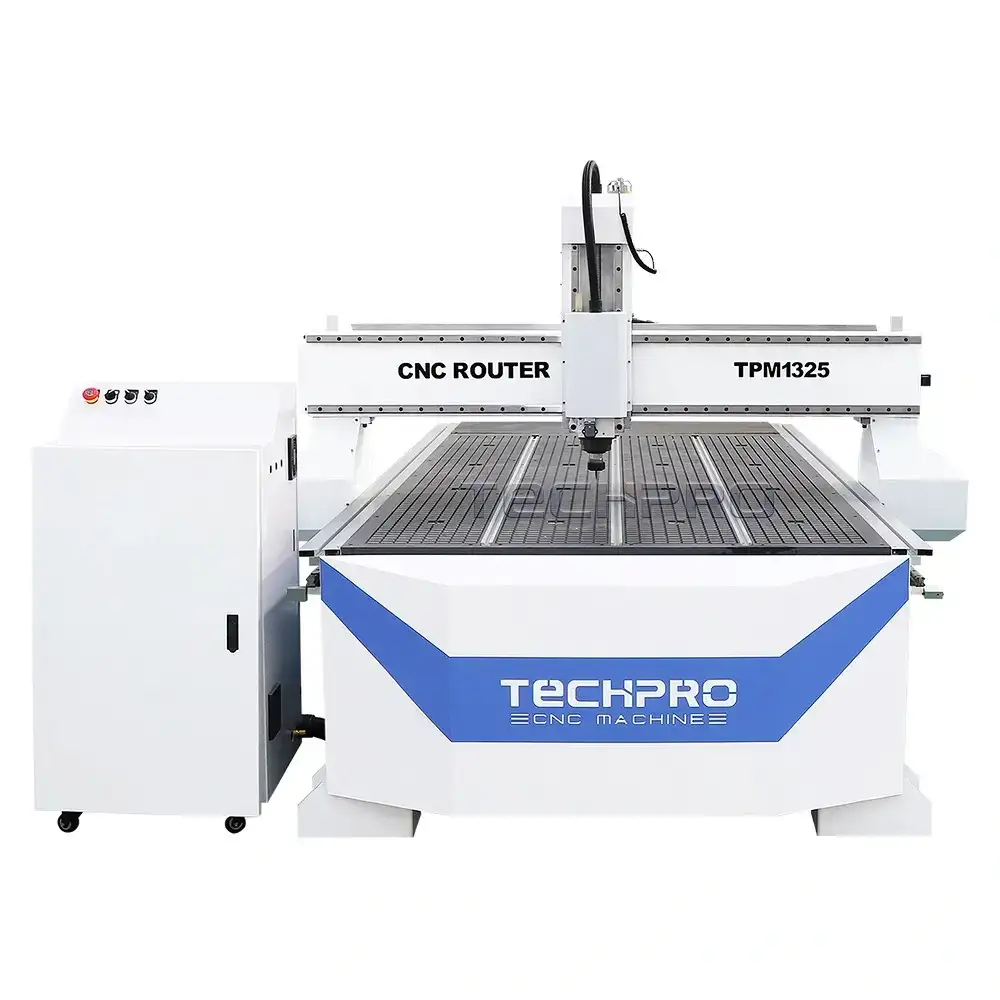
Understanding the Basics of a Wood Lathe
A wood lathe is a powerful tool used to shape wood by rotating a piece of wood (called a blank) while you apply cutting tools to carve and form it. It transforms rough wood into smooth, symmetrical objects like bowls, spindles, and table legs.
Key Components of a Wood Lathe
- Headstock: The part that holds and spins the wood. It houses the motor and spindle.
- Tailstock: Positioned opposite the headstock, it supports the other end of the wood for stability.
- Tool Rest: A horizontal bar where you rest your turning tools while working.
- Motor: Powers the spindle rotation with adjustable speed settings.
- Bed: The sturdy base that connects the headstock and tailstock, keeping everything aligned.
Types of Wood Lathes
Wood lathes come in various sizes to fit the scale of your projects:
- Mini Lathes: Compact and suitable for small projects like pens or chess pieces.
- Midi Lathes: Medium-sized, perfect for bowls, spindles, and small furniture parts.
- Full-Size Lathes: Larger machines designed for heavy-duty work and bigger wooden pieces.
Common Materials for Wood Turning
Most woodturners use hardwoods because of their durability and fine grain. Popular choices include:
- Maple
- Cherry
- Walnut
- Oak
Softwoods like pine are easier for beginners but may not offer the same finish quality. You can also turn exotic woods depending on your project needs.
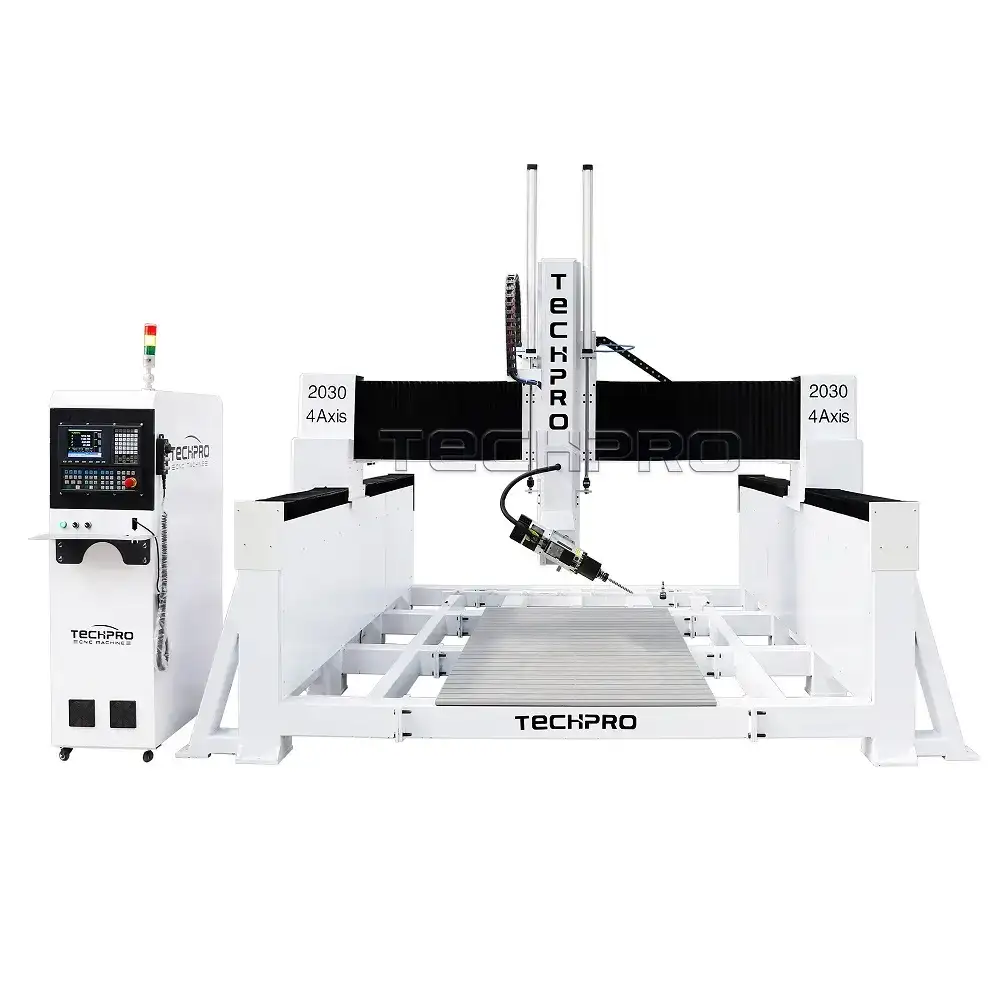
For advanced wood shaping, consider exploring CNC options like 4-axis CNC routers for wood to achieve precise designs efficiently.
Essential Safety Precautions When Using a Wood Lathe
Safety comes first whenever you use a wood lathe. Here are the key precautions to keep in mind before setting up your wood lathe:
Personal Protective Equipment (PPE)
- Eye Protection: Always wear safety goggles or a face shield to protect your eyes from flying wood chips and dust.
- Dust Masks: Use a dust mask or respirator to avoid breathing in fine wood dust, especially with harder woods or finishes.
- Hearing Protection: Wood lathes can be loud, so wear earplugs or earmuffs to protect your hearing during extended use.
Appropriate Clothing and Workspace Setup
- Wear tight-fitting clothing—loose sleeves or jewelry can get caught in the spinning parts.
- Tie back long hair and avoid gloves, which might get caught.
- Keep the workspace clean and free of clutter to prevent trips and allow easy movement around the lathe.
Safe Handling and Inspection Before Use
- Before starting, check that the wood blank is securely mounted between centers or on the faceplate.
- Inspect your tools and the lathe for damage or wear.
- Make sure the tool rest is adjusted close to the workpiece for better control.
- Confirm all bolts and locks are tight.
Emergency Stop and Power Cut-Off Procedures
- Know where the emergency stop button or power switch is located.
- Always test the stop function before beginning your project.
- In case of any unusual vibration, sparking, or noise, turn off the lathe immediately and unplug it if needed.
Following these safety tips protects you and keeps your wood turning experience smooth and enjoyable.
Setting Up Your Wood Lathe
Before you start turning, it’s important to set up your wood lathe properly for safe and efficient work.
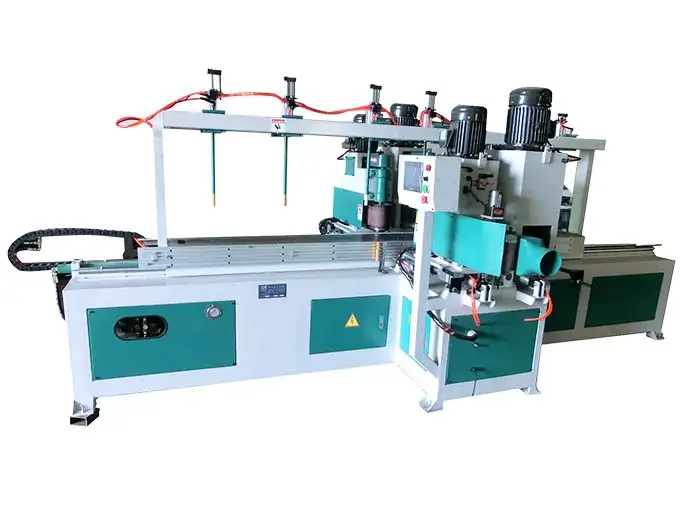
1. Preparing the Workspace
Clear your work area of any clutter and make sure the lathe is on a stable, level surface. Good lighting helps you see the details while turning. Keep tools and safety gear within easy reach.
2. Installing the Wood Blank
Depending on your project, mount your wood blank either between centers or on a faceplate:
- Between centers: Secure the wood between the headstock and tailstock. This setup is great for spindle turning (think table legs or pens).
- Faceplate: Attach the blank directly to the faceplate, which is fixed to the headstock. This method is often used for bowl turning or irregular shapes.
Make sure the blank is tight and centered before you start spinning.
3. Adjusting the Tool Rest and Other Components
Position the tool rest as close to the workpiece as possible, usually about 1/8 inch away, without touching it. It should be just below the centerline or slightly above, depending on the tool and cut. Adjust the height and angle to make your cuts easier and safer.
Also, check that the tailstock and headstock are locked in place, and confirm the tool rest is secure before powering up.
4. Spin Direction and Speed Settings
Most wood lathes have adjustable speeds. Start slow, especially if you’re new, and increase as you get comfortable. Slower speeds work better for larger or unbalanced blanks, while higher speeds suit smaller, balanced projects.
- Spin direction: Always ensure the lathe spins in the correct direction, usually toward you on the tool rest side for right-hand turning. Some lathes allow direction changes—know how yours works.
Always consult your lathe’s manual to confirm the right speed range and settings for your specific wood type and project size.
Tools Required for Wood Turning
When you’re getting started with wood turning, having the right tools is key. Here’s a quick overview of the essential wood lathe tools you’ll need:
- Gouges: These are the most versatile tools. They come in various shapes (like spindle gouges and bowl gouges) and help shape both round and hollow objects.
- Chisels: Straight-edged tools used for smoothing and creating flat surfaces or beads.
- Scrapers: Great for refining shapes and smoothing rough spots, especially in bowl turning.
- Parting tools: Used to cut grooves and separate your workpiece from the waste material.
Each tool serves a specific purpose to give you control over your project, whether you’re spindle turning pens or shaping bowls.
For beginners or pros looking to upgrade, investing in a high-quality wood lathe tool set can make a huge difference in the finish and ease of your work. Look for sets with durable steel and comfortable handles.
Tool sharpening basics:
- Keep your tools razor-sharp to prevent catches and ensure clean cuts.
- Use a bench grinder or sharpening stones, maintaining the original bevel angle.
- Sharpen regularly during use — dull tools can be dangerous and make your work harder.
- After sharpening, hone the edge for smoother cuts.
Proper maintenance and sharpening extend the life of your tools and improve your wood turning experience every time.
Step-by-Step Guide How to Use a Wood Lathe
Starting the Machine Safely
Before turning on, double-check that the wood blank is securely mounted between the headstock and tailstock or faceplate. Adjust the tool rest close to the wood but not touching it. Wear your personal protective equipment like eye protection and a dust mask. Start the lathe at a low speed to make sure everything is stable before increasing the rpm.
Basic Wood Turning Techniques
- Spindle Turning: This is great for making pens, table legs, and spindles. Hold your gouge or chisel steady and slide it along the tool rest, moving it smoothly against the spinning wood. Keep the tools sharp for clean cuts.
- Bowl Turning Basics: Mount your wood blank on a faceplate or chuck. Start shaping the outside first using a bowl gouge, then hollow out the inside carefully. Control your tool angle to avoid catches or tear-outs.
Creating Smooth Finishes
After shaping, switch to finer tools or scrapers for detail work. Sand while the lathe is spinning at a slow speed using progressively finer grits—from medium grit (120) up to fine grit (400 or more). Always keep your hands steady and move sanding paper gently to avoid gouging the wood.
Techniques for Controlling Tool Pressure and Angle
- Keep your tools resting firmly on the tool rest.
- Use gentle, consistent pressure—too much force can cause catches or damage.
- Angle your tools slightly towards the spinning wood to get smooth cuts.
- Always move tools in a direction that matches the grain to reduce tear-outs.
Common Mistakes and How to Avoid Them
- Not checking workpiece security: Always tight the wood properly to avoid accidents.
- Rushing speed settings: Don’t start at high speeds. Build up gradually after ensuring the piece is balanced.
- Incorrect tool angle: This leads to catches or rough surfaces. Practice maintaining a steady angle.
- Ignoring maintenance: Dull tools can cause burns and poor cuts. Keep tools sharp and lathe parts clean.
Following these steps and tips will help you get comfortable and safe with your wood lathe while creating excellent pieces, whether you’re making pen blanks or bowls.
Finishing Techniques
Finishing your wood lathe project right makes all the difference. Here’s how to get a smooth, professional look with the right finishing techniques.
Sanding While the Lathe is Spinning
- Start with coarse grit sandpaper (around 80-120) to remove tool marks.
- Move up gradually through finer grits (up to 400 or higher) for a smooth surface.
- Keep the lathe at a moderate speed—too fast can burn the wood or cause uneven sanding.
- Use light, even pressure on the tool rest; don’t force the sandpaper into the wood.
- Wear a dust mask to avoid breathing in fine sanding dust.
Applying Oils, Waxes, and Finishes
- Choose oils like tung or linseed oil for deep wood penetration and a natural look.
- Waxes add a soft sheen and extra protection—apply after oils have dried.
- For durability, consider polyurethane or lacquer if your piece will see heavy use.
- Apply finishes with a clean cloth or brush, following the wood grain.
- Let each coat dry fully; lightly sand between coats if needed for a smooth finish.
Tips for a Professional Finish
- Work in a clean, dust-free space to avoid particles sticking to your project.
- Test your finish on scrap wood first to see how it looks and reacts.
- Use slow, steady lathe speeds during finishing stages to keep control.
- Keep your tools and sandpapers in good condition for consistent results.
- Patience is key—take your time applying and drying finishes for the best outcome.
Following these finishing tips will bring out the natural beauty of your wood and give your turned pieces lasting durability and shine.
Maintenance and Troubleshooting
Keeping your wood lathe in good shape is key to smooth, safe woodturning. Here’s a quick maintenance checklist you can follow regularly:
- Clean the lathe after each use: Remove wood shavings, dust, and debris from the bed, tool rest, and motor area.
- Lubricate moving parts: Apply light machine oil to the tailstock quill, tool rest base, and spindle threads regularly to prevent rust and ensure smooth movement.
- Check belts and pulleys: Look for signs of wear or slippage and replace parts if needed.
- Inspect electrical components: Make sure cords and switches are in good condition and free of damage.
When it comes to troubleshooting, here are common issues and simple fixes:
- Vibrations during turning: Often caused by an unbalanced workpiece or loose parts. Double-check that your wood blank is properly centered and that screws and bolts are tight.
- Motor problems: If the motor won’t start or stops mid-use, check power connections first. Overheating could mean the motor needs rest or servicing.
- Uneven turning: This usually comes from dull tools or incorrect tool rest positioning. Sharpen your turning tools regularly and adjust the tool rest close to the workpiece for better control.
If you notice persistent problems despite basic fixes, or if your lathe makes unusual noises or shakes excessively, it’s time to get professional help. Upgrading parts or consulting a technician can keep your machine running longer and improve your woodturning experience.
For users interested in high-precision woodturning, considering CNC attachments or a 4-axis CNC lathe machine might be a smart upgrade to reduce manual troubleshooting and improve results.
Advanced Tips and Tricks from TechPro CNC
When you’re ready to take your wood lathe work beyond the basics, TechPro CNC offers some great options to boost your precision and creativity. Here’s how you can step up your game:
Using CNC Attachments for Precision
- CNC Lathe Attachments allow you to automate parts of the turning process. This means more accurate cuts and repeatable designs without constant manual adjustments.
- These upgrades are perfect for beginners who want consistent results and pros looking to save time on detailed work.
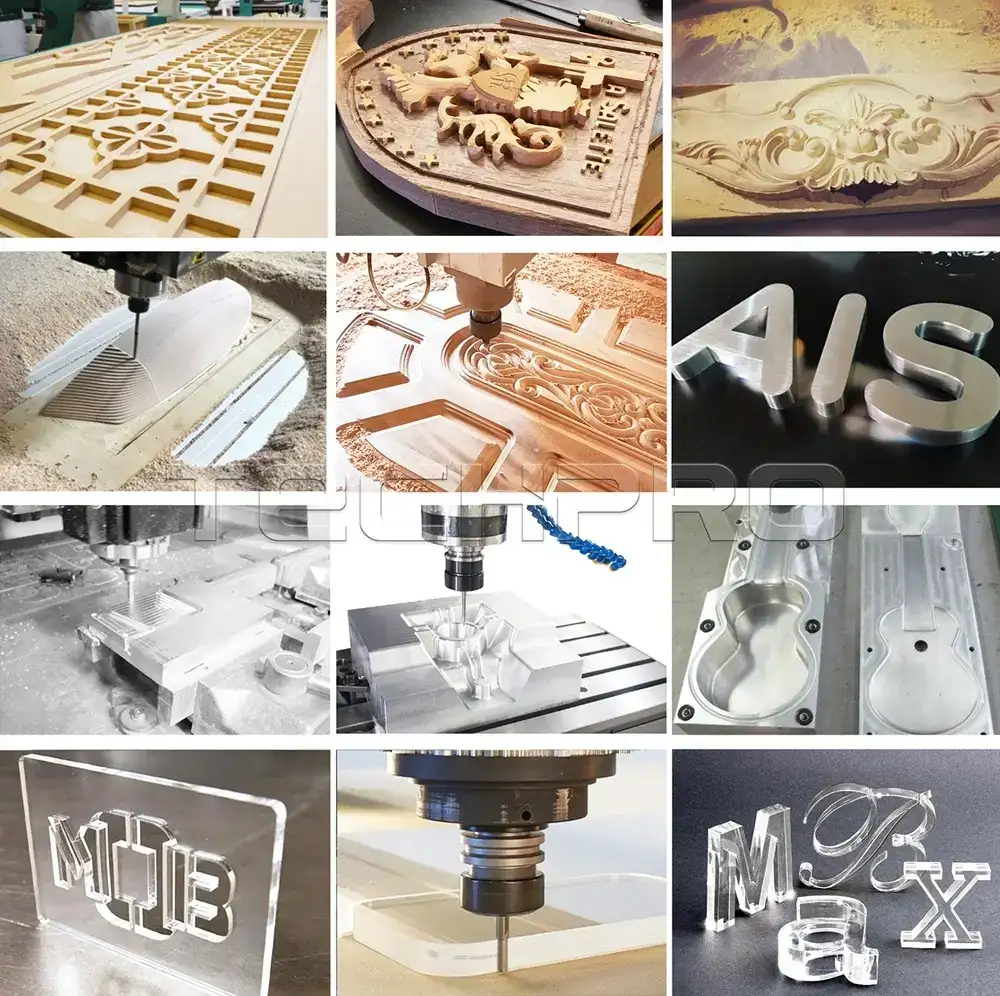
- Adding a CNC router or carving tool attachment can help you incorporate intricate patterns into your projects with ease.
Design Patterns and Customizations
- Using CNC software, you can create custom patterns that are hard to achieve by hand.
- From detailed engravings to complex shapes, your wood turning projects can get a professional upgrade.
- Experiment with different design files or create your own to match your style or customer requests.
Recommended Accessories to Enhance Your Lathe
- Digital Speed Controllers for precise control over spin speed, improving the quality of cuts.
- Vacuum Chucks for better grip on your workpieces, especially when turning bowls.
- Adjustable Tool Rests that offer more flexibility and comfort during long turning sessions.
- Sharpening Systems designed to keep your tools razor-sharp without hassle.
- Dust Collection Attachments to keep your workspace clean and your lungs healthy.
TechPro CNC focuses on combining traditional wood lathe skills with modern tech to make wood turning easier, safer, and more precise for the U.S. market. These tips and tools can help you make the most of your wood lathe while adding professional touches to every project.



 EN
EN  TR
TR  FR
FR  DE
DE  VI
VI  IT
IT  NL
NL  AF
AF  KO
KO  ES
ES  PL
PL  ID
ID  JA
JA  RU
RU  HI
HI  DA
DA  FI
FI  TH
TH  ZH-TW
ZH-TW  BG
BG  CS
CS  HE
HE  AR
AR  PT
PT  SV
SV  HU
HU  HR
HR  SK
SK  NB
NB