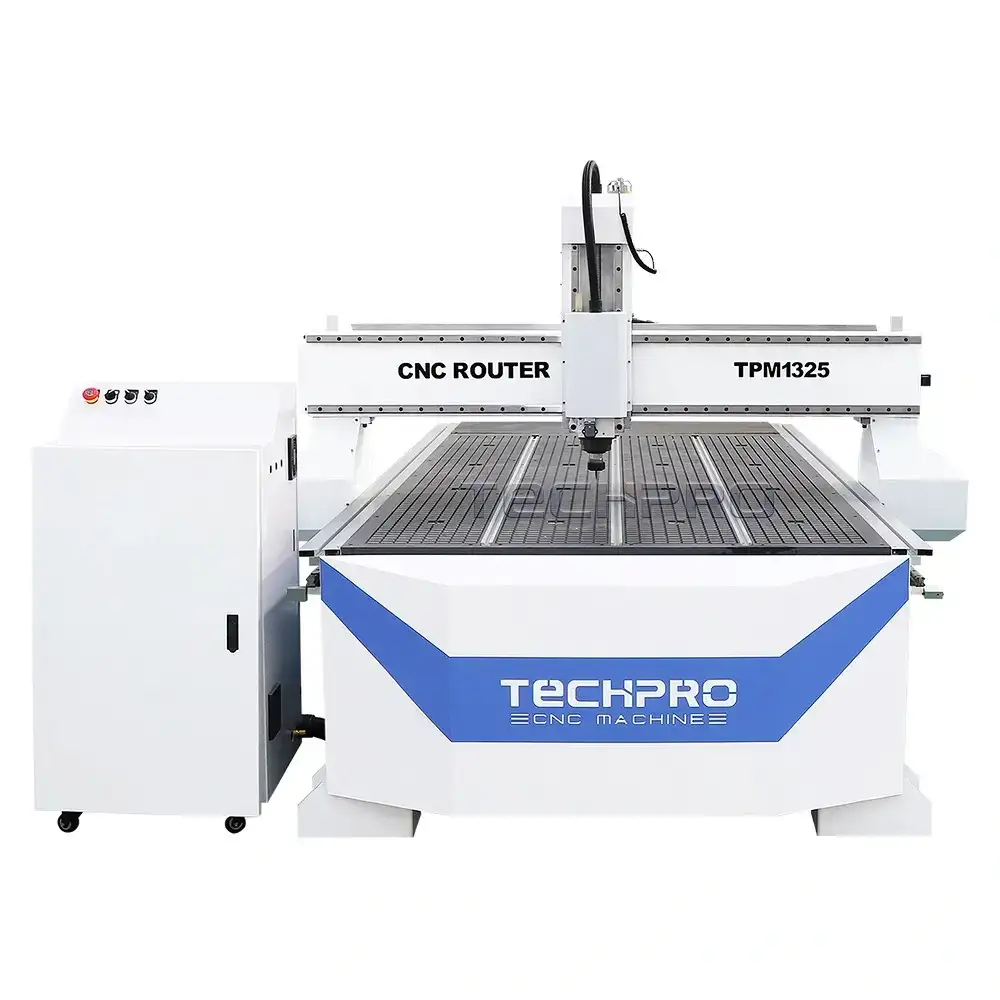
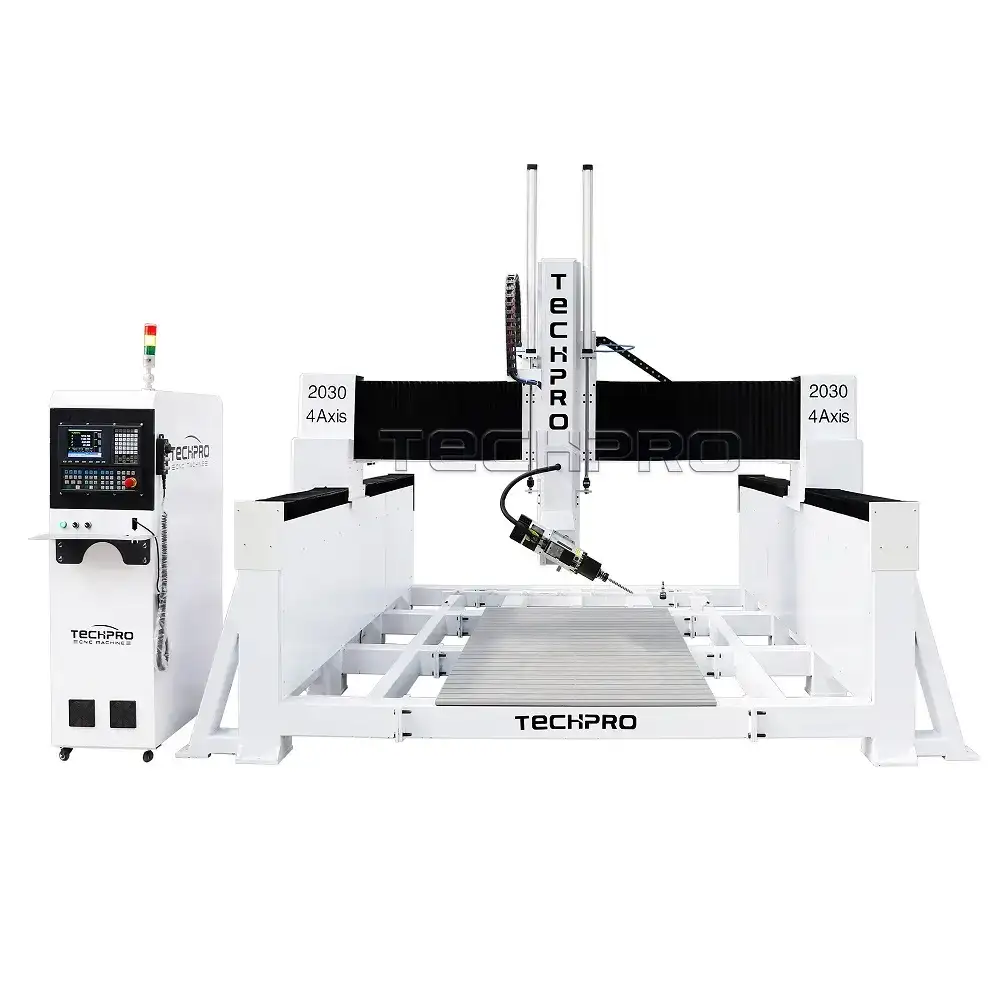
CNC Router Machine Safety Operation:
When using CNC machine, it is important to follow the following safety protocols to ensure the safety of the operator and the equipment:
- Preparation before operation
Read the manual: Before use, read the engraving machine’s operating manual in detail to understand the equipment’s functions, limitations, and safety warnings.
Inspect the equipment: Before each use, check that the various components of the engraving machine (such as tools, lasers, cooling systems, etc.) are normal and intact.
- Personal Protective Equipment (PPE)
Wear appropriate protective equipment: Make sure to wear protective glasses, gloves, and ear protectors to avoid potential laser or physical injuries.
Wear suitable clothing: Wear tight clothing and avoid long sleeves or loose clothing to prevent being pinched by the equipment.
- Working environment
Good ventilation: Make sure the work area is well ventilated, especially when using a laser engraving machine, to avoid the accumulation of harmful fumes or gases.
Avoid distractions: Make sure the work area does not contain items that attract children or other unrelated personnel, and keep the area clean and free of clutter.
- Operation process
Follow the operating procedures: Make sure to start and shut down the engraving machine according to the established operating procedures to avoid sudden operations.
Continuous monitoring: During the operation of the equipment, always monitor the equipment to ensure that no abnormal conditions occur, such as smoke, odors or strange noises. - Material safety
Ensure material suitability: Ensure that the materials used are suitable for the processing capabilities of the engraving machine and follow the manufacturer’s recommendations and warnings on the materials.
Dispose of waste: Regularly clean up the waste generated during the engraving process and dispose of it properly to avoid dangers due to burning or other reasons. - Emergency handling
Be familiar with emergency stop procedures: Be able to quickly find and use the emergency stop button to ensure that the equipment operation can be interrupted in time when a problem occurs.
Develop an emergency plan: Develop an emergency plan in the workplace to deal with fire, equipment failure or other emergencies. - Equipment maintenance
Regular maintenance and inspections: Perform regular maintenance on the engraving machine according to the manufacturer’s recommendations to ensure its safe use.
Record maintenance: Record the details of each maintenance and inspection to facilitate subsequent tracking and evaluation of the equipment status. - Education and training
Train operators: Provide necessary safety training to operators to ensure that they understand the risks and relevant safety protocols.
Regular retraining: Regularly retrain operators to update safety knowledge and operating skills. - Comply with laws and regulations
Follow local regulations: Ensure that operations comply with the laws and regulations of the region, including health, safety and environmental protection.
By following the above safety protocols, you can minimize risks when using the engraving machine and ensure safe and efficient work.
Fiber Laser Cutting Machine Safety Operation:
- Preparation before operation
Understand the user manual
Read in detail: Before starting and using the equipment, read the user manual carefully, including safety warnings, operating procedures and troubleshooting guides.
Get familiar with the functions: Understand the basic operation methods and characteristics of the laser cutting machine for correct use.
Equipment inspection
Check the hardware: Before each use, check whether the various components of the fiber laser cutting machine (such as laser optical path, water cooler, mechanical components) are normal.
Power supply check: Confirm that the power cord, switch and socket are safe and intact.
Protective cover: Make sure the protective cover and safety door of the cutting machine are closed properly to prevent laser leakage. - Personal protective equipment (PPE)
Wear goggles
Laser protective glasses: Always wear goggles suitable for the laser wavelength used during operation to ensure that the eyes are protected from laser radiation.
Wear suitable protective clothing
Fireproof materials: Wear fire-resistant and high-temperature resistant clothing, and avoid wearing flammable or loose clothing.
Avoid exposing the skin: Keep the skin covered to prevent injury from splashes generated during laser cutting.
Measures for hands
Hand protection: Wear wear-resistant and heat-resistant gloves when handling and adjusting materials. - Working environment
Ensure good ventilation
Air circulation: Ensure that the working area has a good ventilation system to exhaust the smoke and harmful gases generated during the cutting process.
Configure fume extraction device: Consider installing a fume extraction device to ensure that no harmful gases accumulate during processing.
Clean up the work area
Keep it tidy: Keep the working environment tidy, avoid placing flammable items, and ensure that there is no debris in the working area.
Store materials: Ensure that materials and tools are stored neatly to avoid obstacles during operation. - Operation process
Follow the operating procedures
Power management: Turn on and off the laser cutting machine according to the correct steps described in the manual.
Preheating and cooling: Ensure that the preheating and cooling requirements of the equipment are followed to keep the equipment in normal working condition.
Monitor the cutting process
Continuous monitoring: During the cutting process, always monitor the working status and stop the operation immediately if there is any abnormality.
Hazard alert: Pay attention to the vibration, sound, temperature change and other signals of the equipment. - Material safety
Use appropriate materials
Material assessment: Ensure that the processed materials meet the requirements of the laser cutting machine and avoid using materials that are flammable, explosive or produce toxic gases.
Material identification: Materials should be clearly identified and relevant safety data sheets (SDS) should be provided.
Waste disposal
Timely cleaning: Regularly clean up the waste generated during the cutting process and properly dispose of these wastes.
Avoid littering: Ensure that all cutting waste and cleaning materials are handled in compliance with local regulations. - Emergency handling
Understand the emergency shutdown procedures
Emergency stop button: All operators must know the location of the emergency stop button and how to operate it to ensure that they can respond quickly.
Alarm device: Confirm that the system is equipped with an alarm device to sound an alarm in abnormal situations.
Develop an emergency plan
Emergency response: Develop an emergency plan, including procedures for handling fires, equipment failures and other unexpected events.
Drill plan: Conduct safety drills regularly to ensure that all staff are familiar with emergency plans and handling measures. - Equipment maintenance
Regular maintenance and calibration
Maintenance schedule: Follow the manufacturer’s instructions to develop a regular maintenance and calibration plan for the equipment to ensure that the equipment is always in optimal condition.
Maintenance records: Record the content, date and person who performed each maintenance in detail for subsequent tracking and review.
Cleaning optical components
Routine cleaning: Regularly
Please explain in detail
- The following is a detailed description of the safe use agreement for fiber laser cutting machines, covering all necessary safety measures and steps.
Fiber laser cutting machine safety use agreement :
- Preparation before operation
Understand the user manual
Read in detail: Before starting and using the equipment, read the user manual of the equipment carefully to ensure that you understand the functions, operating procedures, maintenance requirements and safety warnings of the equipment.
Understand common faults: Understand the troubleshooting section in the manual and be familiar with common problems and solutions so that you can respond quickly when needed.
Equipment inspection
Check the hardware components:
Beam transmission system: Make sure the optical path is clear, free of dust or dirt, and the mirrors and lenses should be kept clean.
Cooling system: Check the level of the coolant and ensure that the cooling water circulation system is working properly to prevent the laser from overheating.
Mechanical parts: Check whether the movement of mechanical parts is smooth and whether there is wear or rust.
Power connection: Make sure the power cord, switch and socket are intact to avoid unstable power supply. - Personal Protective Equipment (PPE)
Wear goggles
Requirement: Use goggles designed specifically for fiber laser cutting machines, which can effectively block lasers of specific wavelengths.
Note: All personnel on site should wear goggles during the operation of the cutting machine.
Wear appropriate protective clothing
Fireproof materials: It is recommended to wear special work clothes that are fire-resistant and high-temperature resistant, and avoid using flammable materials such as nylon, polyester, etc.
Avoid loose clothing: Choose well-fitting clothing to avoid loose parts being caught by the equipment.
Hand protection
Wear gloves: Wear wear-resistant and heat-resistant gloves when handling and adjusting materials to ensure hand safety. - Working environment
Ensure good ventilation
Air circulation: Ensure that the work area is well ventilated and properly install smoke extraction equipment to exhaust the smoke and harmful gases generated during laser cutting to protect the health of the operator.
Clean up the work area
Keep it tidy: Ensure that the work area is tidy, avoid stacking flammable items, and remove all obstacles that may cause accidents.
Store materials: Store materials in an orderly manner to avoid interfering with work during cutting, and ensure that everything is within the safe range of the work area. - Operation process
Follow the operating procedures
Power management: Always turn on and off the equipment according to the steps in the user manual to ensure that safety procedures are followed.
Warm-up and cooling: The equipment should follow the warm-up and cooling procedures when starting and shutting down to ensure the correct operation of the laser.
Monitor the cutting process
Real-time monitoring: Pay attention to the status of the equipment throughout the cutting process to ensure its normal operation, pay attention to changes in sound, temperature, vibration, etc., and stop the operation immediately if any abnormality occurs.
Timely response: If smoke or equipment malfunction occurs, stop the machine decisively and check it. - Material safety
Use suitable materials
Material compatibility: Confirm that the materials used are suitable for the fiber laser cutting machine, and avoid using flammable, explosive, or toxic gas-releasing materials.
Material identification: All materials should be clearly labeled and accompanied by a material safety data sheet (SDS) to help identify potential hazards.
Dispose of waste
Regular cleaning: Clean up the waste generated by processing in a timely manner to avoid accumulation and ensure a safe working environment.
Comply with disposal procedures: Properly dispose of all waste and hazardous materials in accordance with local regulations to ensure compliance with environmental protection requirements. - Emergency handling
Understand the emergency stop procedure
Emergency stop button location: All operators must know the location and operation of the emergency stop button to ensure quick response when problems occur.
Alarm system function: Ensure that the equipment has an alarm system that will immediately sound an alarm in the event of an abnormal situation.
Develop an emergency plan
Emergency response plan: Develop a clear emergency plan, including the response process for fire, equipment failure and other emergencies.

 EN
EN  TR
TR  FR
FR  DE
DE  VI
VI  IT
IT  NL
NL  AF
AF  KO
KO  ES
ES  PL
PL  ID
ID  JA
JA  RU
RU  HI
HI  DA
DA  FI
FI  TH
TH  ZH-TW
ZH-TW  BG
BG  CS
CS  HE
HE  AR
AR  PT
PT  SV
SV  HU
HU  HR
HR  SK
SK  NB
NB